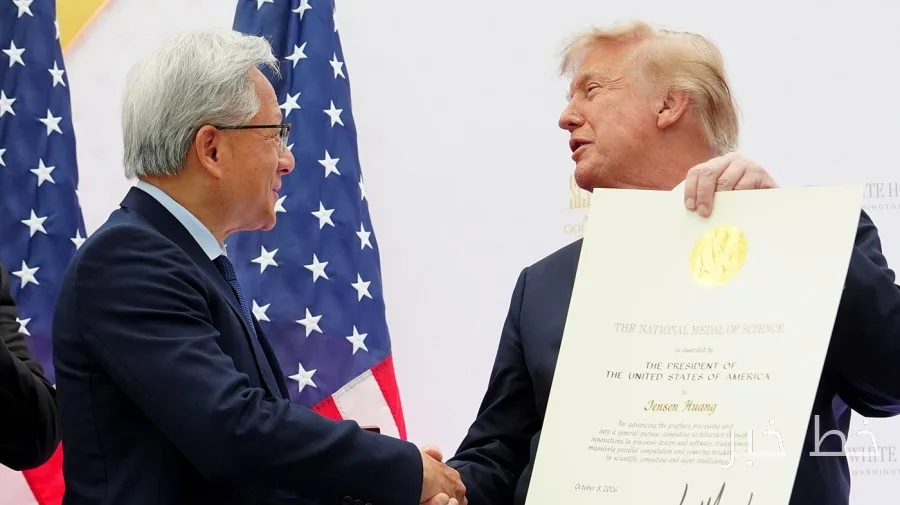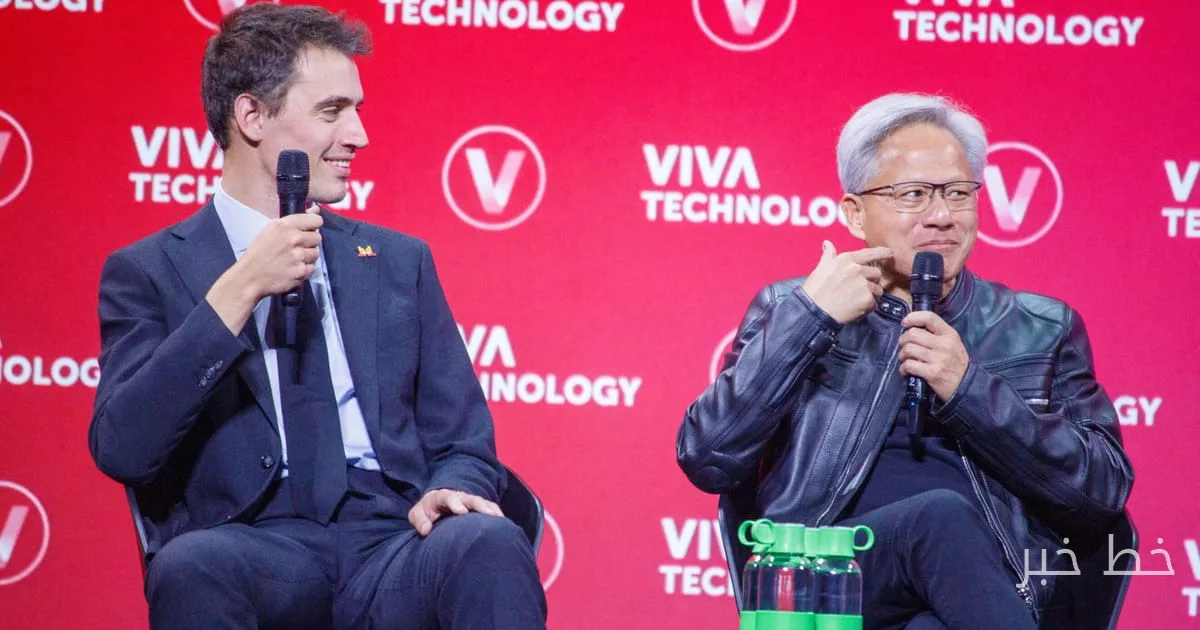
Jensen Huang, CEO of Nvidia, has become a controversial topic among European Union leaders after revelations about his relationship with a Chinese spy. Wolfgang Ischinger, a veteran German diplomat, noted that during World War I, female spies also acted in similar ways to gather information.
European Leaders' Meeting and AI Challenges
The meeting on Friday of leaders from 27 European countries in Dublin will examine the realities of competition in the field of artificial intelligence between the United States and China. This meeting aims to chart a new path for Europe in this area. Huang's fall reminds leaders that it is now these American technologies that determine the fate of the world.
Read more: Choosing the Best Gifts for Children and Adult Gamers
At this meeting, leaders will mostly be in listening mode and will hear presentations from Arthur Mench, CEO of the French company Mistral, and Geoffrey Hinton, one of the pioneers of artificial intelligence. Hinton has emphasized the need for greater safety measures in this field.
Europe's Challenges in Advancing AI
Europe is striving to find its place in the global artificial intelligence arena. The emergence of advanced American models and AI advancements in China have created new issues for national security. However, while the European Union has been a leader in regulating this technology, AI laboratories within Europe are still struggling to keep up.
Statements from some European officials ahead of this meeting indicate a lack of consensus on how to advance in the AI supply chain. Malgorzata Nikowska, head of the AI unit at the European Commission, stressed the need to maintain advanced ideals in this area, stating that this is related to Europe's competitiveness and sovereignty.
Two European prime ministers, Petri Orpo from Finland and Christian Michal from Estonia, also emphasized that "Europe can compete at the advanced level" and must move beyond merely adopting artificial intelligence.
Meanwhile, competition among European companies in the field of artificial intelligence has also contributed to the challenges of these efforts. Mistral has moved towards building open models and has successfully created a 4 trillion parameter model. This is while some of his European competitors believe that instead of using more computational power, attention should be paid to optimizing the training processes of the models.
Ultimately, Europe will still depend on American hardware, especially Nvidia's AI chips. This dependency could lead to further challenges in the path of developing artificial intelligence on the green continent.
Read more: Europe needs Nvidia, and this need won't change with a spy scandal · Estonia asked Costa and Kalats to represent Europe in Ukraine negotiations