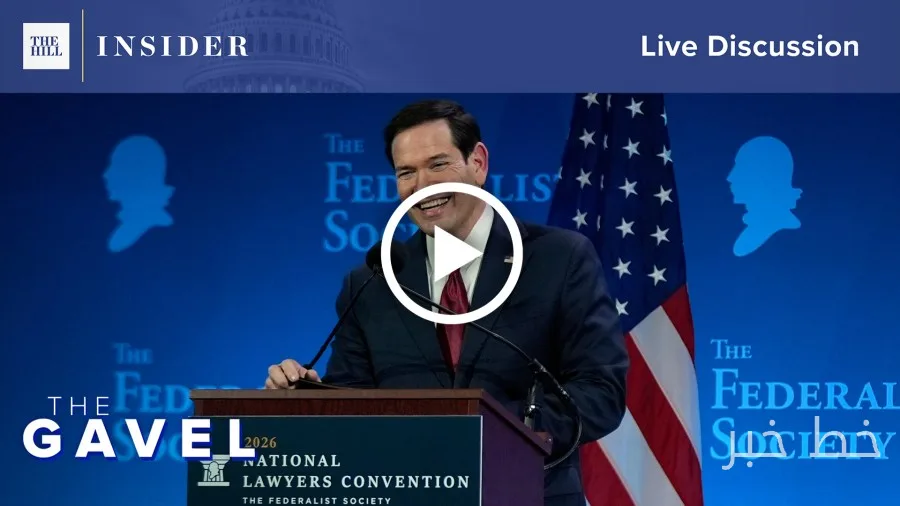
The Federalist Society is analyzing the impacts of the upcoming midterm elections and Donald Trump's judicial legacy. This organization, known as a conservative entity in the United States, is assessing how future elections could affect the country's judicial structure.
The Impact of the Midterm Elections on the Judicial Structure
Midterm elections in the United States have always played a significant role in determining the political and judicial direction of the country. These elections, which will be held in 2022, could lead to major changes in Congress as well as at local levels. Studies indicate that if Republicans manage to gain a majority in Congress, it is likely that Trump's judicial policies will continue and influence the selection of judges and key decisions.
Read more: French Secret Services Prepare for the 2027 Elections
Trump's Judicial Legacy and Challenges Ahead
During his presidency, the Trump administration appointed several judges to the Supreme Court, resulting in significant changes in the interpretation of law and human rights. These changes could impact critical issues such as reproductive rights and voting rights in the future. Given that some of these judges are recognized as conservatives, concerns about the implications of these changes on society and the judicial system continue to persist.
The Federalist Society, aiming to strengthen this judicial legacy and support the appointed judges, is advancing programs that help sustain its policies. The organization seeks to create a network of supporters and lawyers who can collaborate in this effort and address the legal challenges that may arise in the future.
Ultimately, the evaluations by the Federalist Society could indicate a major shift in how the judiciary is managed and administered in the United States, and its implications will be significantly noteworthy for years to come.
Read more: Greg Stanton: Vance Should Never Have Been Vice President · Trump's Asian Trip Begins with a Cold Reception in Manila



