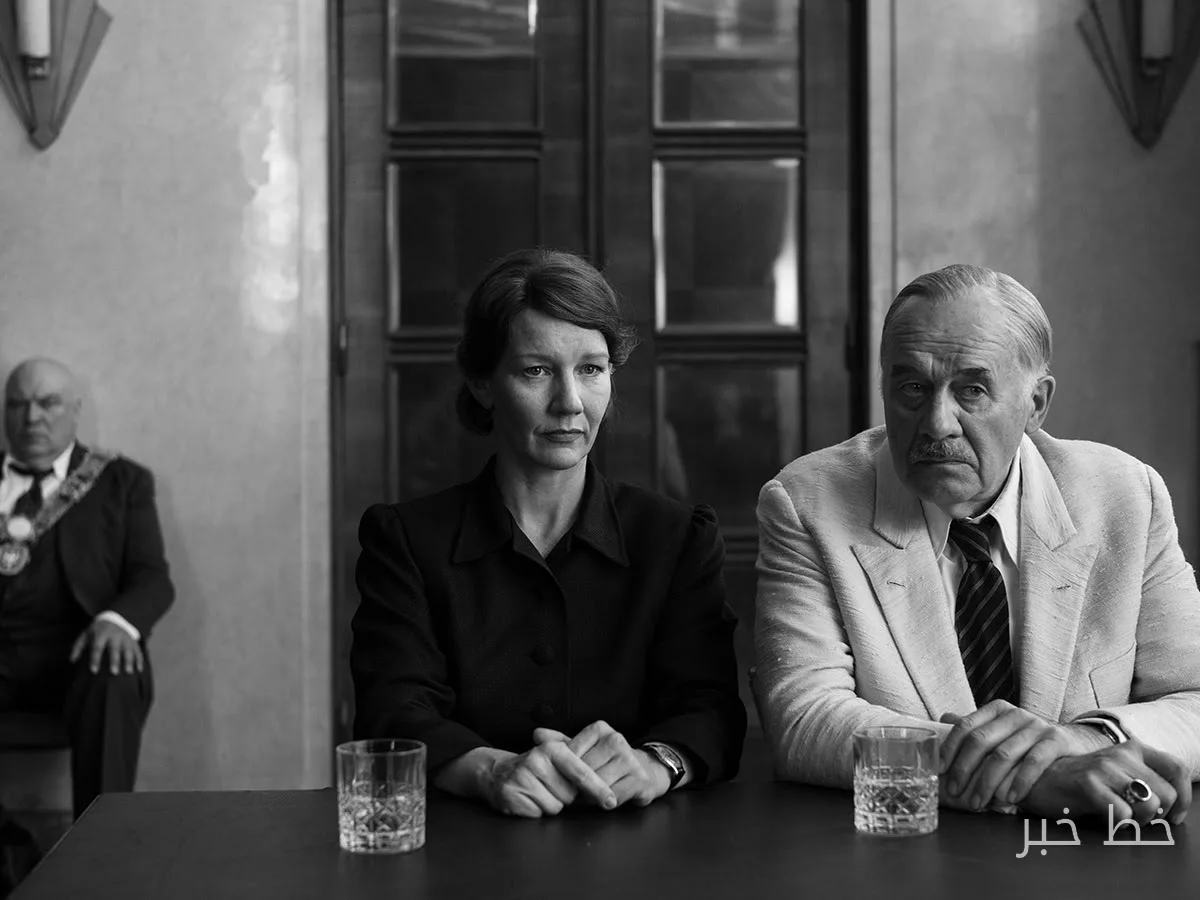
The film Fatherland, directed by Paweł Pawlikowski, is a deep and concise drama that tells the story of Thomas Mann, the Nobel Prize-winning writer, returning to Germany in 1949. Mann, who returns to his homeland after 16 years of exile in California, faces a significant challenge: how to find his place in a country he can no longer call home.
The death of a son and the feeling of being lost
During this journey, Thomas Mann receives the news of his son Klaus's death, who was a lesser-known writer, by suicide. His emotions in response to this news are trapped within him, and these cold and frozen feelings present a bleak image of his homeland. In this film, the final moments culminate in a wordless dialogue that leads to an emotional and artistic manifestation that is remarkably impactful.
Read more: The third season of Nobody Wants This concludes the love story of Joan and Noah
A journey to two Germanys
The film addresses the two cities of Frankfurt and Weimar, both in transition and crisis. In Frankfurt, Mann and his daughter Erika meet with the mayor and answer reporters' questions. Mann, having returned to Germany as an American immigrant, faces deeper questions about his identity and homeland. In Weimar, he is welcomed as a returning hero, but in the process, he confronts the bitter realities of the past that affect his emotions.
Throughout this journey, Erika, Mann's daughter, helps him and shows how personal feelings can be overshadowed by history and politics. Gradually, they reach a shared understanding of grief and loss as she deals with her own issues related to her father and her brother's death. This film, with its 82-minute runtime, is so profound and impactful that it easily engages the audience and conveys feelings beyond words.
Read more: Jack Lowden, Calum Turner, and Josh O'Connor are the main candidates for the new James Bond · Nikolaj Galitzine and Bill Skarsgård star in the film 'The Mosquito Bowl'