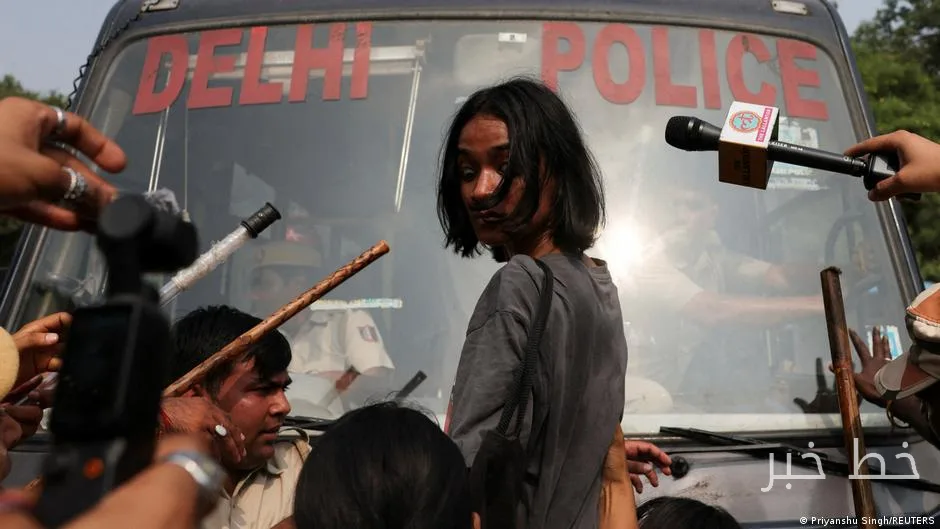
The first protests of Indian youth, particularly led by women against the government, are taking shape. On July 20, Navkiran Nath and her partner went to the judge's office in New Delhi to get married, but faced a tense situation. The police were trying to stop the demonstration being held by the youth. Office staff and witnesses to the couple's marriage also arrived late due to the obstacles created.
The Cockroach Janta Party Movement and Its Demands
The protest movement known as the Cockroach Janta Party (CJP) organized this demonstration to demand the resignation of India's then Minister of Education, Dharmendra Pradhan. These protests faced severe resistance from security forces, who used batons, tear gas, and live ammunition. These confrontations resulted in widespread injuries and arrests.
CJP started as an online movement with a humorous approach after India's Chief Justice, Surya Kant, informally referred to unemployed youth as "cockroaches." This name is somewhat a play on the name of the ruling party, the Bharatiya Janata Party (BJP).
Protesters and Their Challenges
After successfully ousting Pradhan in late July, CJP is now calling for the resignation of Chief Election Commissioner, Gyanesh Kumar. This demand arose after over 130 million names were removed from electoral rolls across the country. While CJP's leadership is either in judicial custody or under the threat of arrest, a name quickly associated with these protests is Nadi Bora, a student leader who prefers to remain anonymous.
Challenges and Social Consequences
These days, women and members of the LGBTQ+ community are demanding more autonomy, especially following a gang rape incident involving a 17-year-old girl in New Delhi in late September. According to the National Crime Records Bureau, in 2024, 441,534 cases of crimes against women were recorded, averaging 1,210 cases per day. Experts say that these official statistics only represent a fraction of the reality of gender-based violence.
Despite sexual harassment from police on the streets and online groups, women and non-binary individuals leading this movement do not see themselves as victims at all. According to Kavita Krishnan, a social activist, the new generation is seeking more specific demands and aims to be recognized as political and free beings.
Gurmher Kaur, a writer and activist, starts her days with sports activities or yoga classes and often secures the release of young Congress lawyers from police custody. She emphasizes that resistance should not be a separate event but should be part of everyday life.
In conclusion, Nath also points to the security and sexual challenges that women face during protests, stating that every time a woman leads a demonstration, the first attack is on her gender. This reflects deeper social and cultural challenges in India that lie at the heart of this movement.