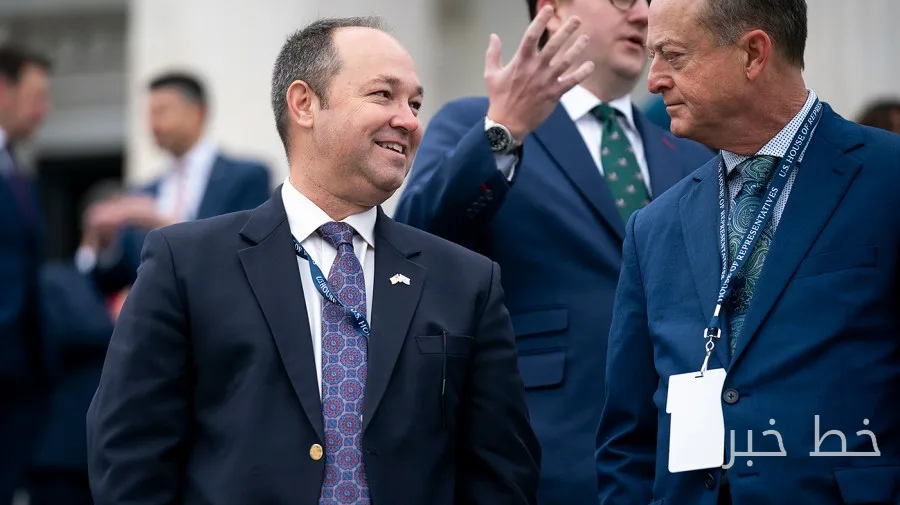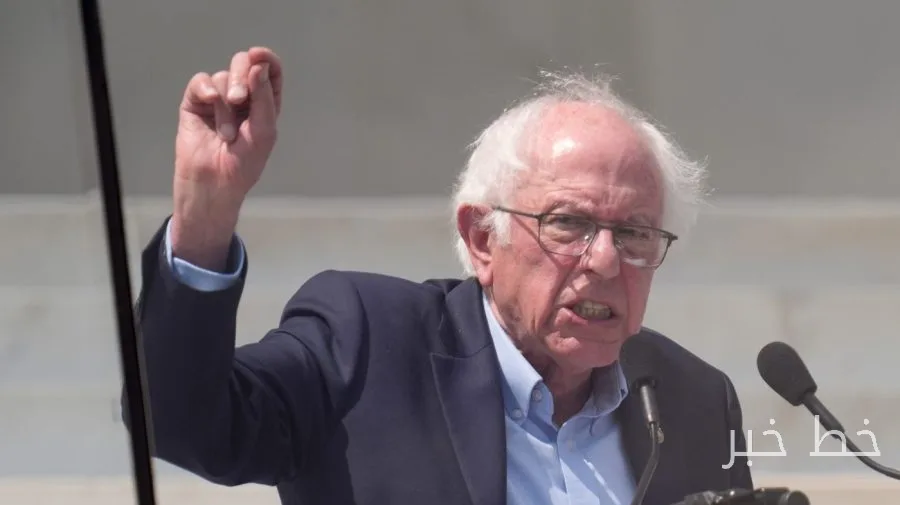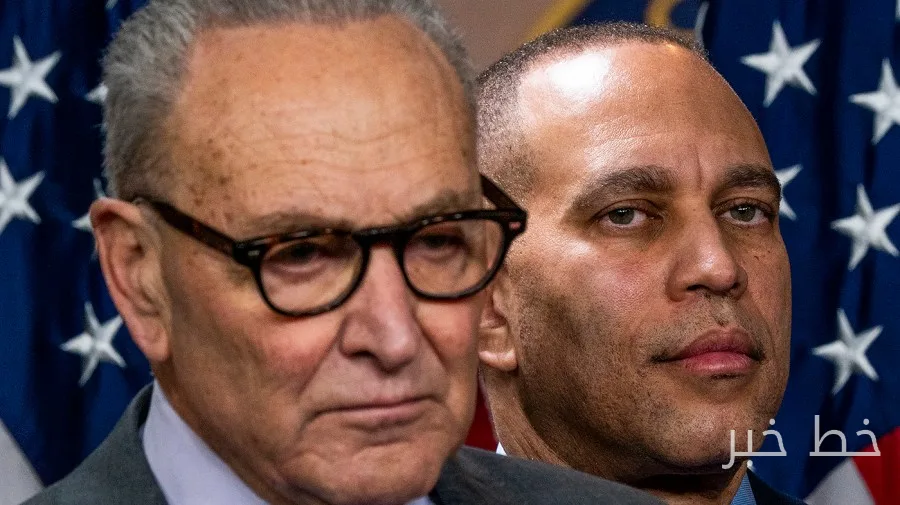
Republicans in the United States are summarizing their situation as Donald Trump's presidency comes to a close. These changes will not only impact domestic policies but will also affect the party's position on the national and international stage.
New Challenges for Republicans
With Trump's exit from the White House, Republicans are facing new challenges. On one hand, the party must continue to evaluate its identity, and on the other hand, it must respond to electoral needs and public opinion. Many analysts believe that the hardline policies that prevailed during Trump's era may no longer be effective, and the party needs fundamental reforms.
Read more: Richard Ohda calls for the impeachment of Pete Hegseth following the midterm elections
New Opportunities for Reconstruction
However, the end of the Trump era could be an opportunity for reconstruction and reevaluation of Republican policies. Some party members are seeking to create a new and attractive agenda to attract young and moderate voters. These efforts could increase support for the party in upcoming elections and help it regain power.
Additionally, the emergence of new faces in the party leadership could help improve the situation. New candidates with more modern and inclusive approaches can assist in attracting votes from various social groups. In this context, reevaluating the party's economic, social, and foreign policies also seems necessary.
Ultimately, the future of Republicans depends on their ability to adapt to social and political changes. If the party can respond to the needs of today's society and present a positive image of itself, the likelihood of its success in future elections will increase.
Read more: Review of British diplomacy in the final days of Trump's presidency · Democrats achieved Senate victories in red states