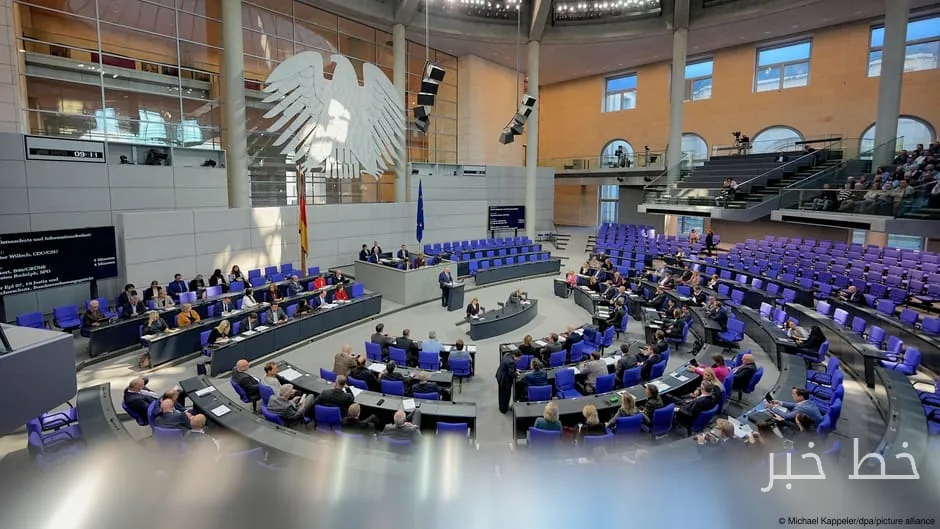
The German Parliament, on Friday, November 27, approved a €556 billion ($610 billion) budget for 2027, resorting to increased debt to bolster defense and infrastructure spending. This move comes as the government, led by Chancellor Friedrich Merz, emphasizes strengthening civilian infrastructure and rebuilding the military.
Budget and Debt Details
According to statistics, new debt will reach €210 billion, close to the record €215.4 billion recorded in 2021 during the COVID-19 pandemic. Merz stated in Parliament: "It is true that we invest in railways and climate protection." Finance Minister Lars Klingbeil also emphasized the importance of these investments, saying: "It is true that we invest in our security."
Read more: Significant Reduction in New IRS Audits of High Earners
Increase in Defense Spending
Germany's defense spending will increase from €82 billion to nearly €110 billion. Considering additional costs from the special defense fund, total defense spending will exceed €150 billion. Klingbeil stated: "We invest in defense so that Ukraine can maintain its freedom. No child born in Germany today should ever experience war."
317 parliament members voted in favor of this budget, while 260 voted against it. There were no abstentions in this vote.
Merz's Meeting with Pope Leo and the Italian Prime Minister
Friedrich Merz, the Chancellor of Germany, will have a private meeting with Pope Leo XIV at the Vatican on Monday. This meeting precedes a session with Giorgia Meloni, the Prime Minister of Italy, in Rome. This will be Merz's first private meeting with the Pope since a brief encounter at the Pope's inauguration ceremony in May 2025.
According to reports, the topics of discussion are expected to include "human dignity, artificial intelligence, and efforts to establish peace in Ukraine." After this meeting, Merz will be welcomed with military honors by Meloni and will discuss Russia's ongoing attack on Ukraine, economic cooperation, and the EU budget for the 2028-2034 period.
Status of Defense Industries
German arms manufacturer Rheinmetall has revised its mid-term revenue forecast for 2030 from approximately €45 billion to between €33 billion and €37 billion. This announcement was made at a market event in Hamburg after the company lowered its forecast for the current year due to delays in major orders, particularly from the German government.
In July, the German Ministry of Defense canceled a multi-billion euro contract for the production of six new F126-class frigates and recently reported delays in a large order for Boxer armored vehicles. Armin Papperger, CEO of Rheinmetall, stated that the government is negotiating over prices and he will only sign the contract when "sufficient profitability" is guaranteed.
Meanwhile, Rheinmetall is set to deliver an additional 66 Lynx armored vehicles to Romania, bringing the total order to 298 units. Deliveries to this EU and NATO member country will begin in 2028 and conclude by 2030.
Read more: Final Review of the 2027 Budget in the German Bundestag · 3.6% Increase in Social Security Benefits in 2027



