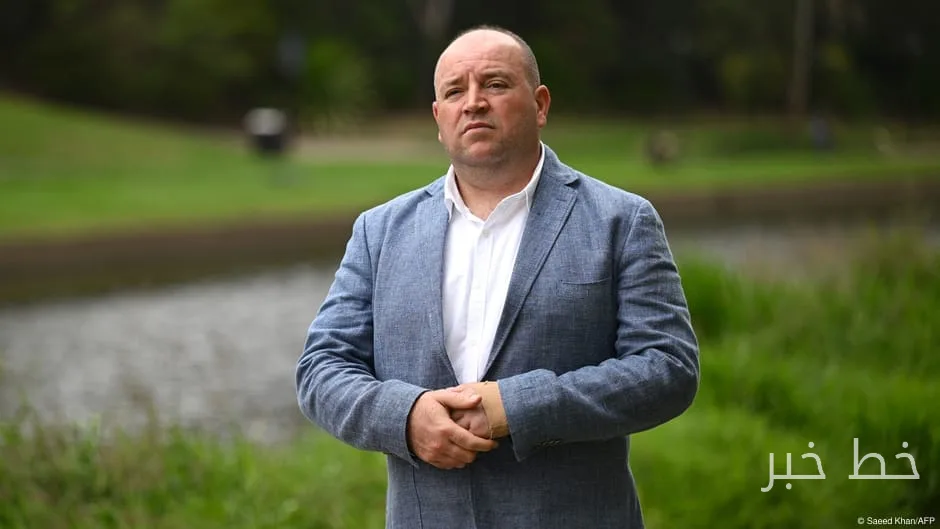
The head of the International Atomic Energy Agency (IAEA), Rafael Grossi, announced that North Korea has expanded its uranium enrichment facilities at the Yongbyon nuclear complex. According to Grossi, this expansion began in mid-September 2026 and was completed by late October 2026.
Lack of Access to North Korea
The International Atomic Energy Agency has been severely restricted since 2009 when North Korea expelled its inspectors from the country, preventing the agency from accessing its nuclear activities. Currently, the IAEA primarily relies on satellite imagery to monitor North Korea's nuclear activities.
Grossi mentioned in a quarterly meeting with the agency's Board of Governors the ongoing activities at the enrichment facilities in Yongbyon and Kangson. The Kangson facility is located southwest of Pyongyang, while the larger Yongbyon facility is situated further north of the capital.
International Concerns
Grossi noted that the expansion of North Korea's uranium enrichment program remains a "serious cause for concern." Enriched uranium is used as fuel for nuclear power plants and reactors that supply naval vessels and submarines, and it can also be used in nuclear weapons.
Meanwhile, U.S. President Donald Trump raised the possibility of meeting with Kim Jong-un, the leader of North Korea, while he was visiting China to meet with Chinese President Xi Jinping and Russian President Vladimir Putin.
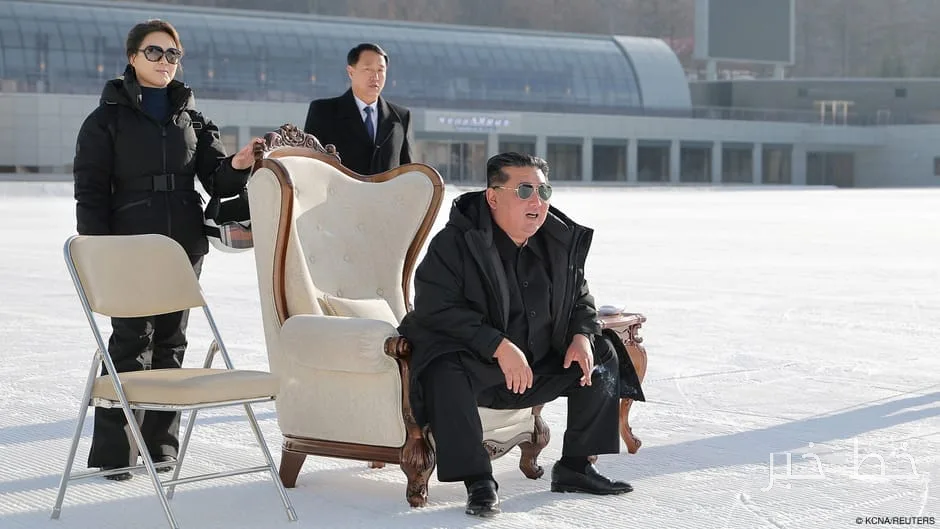
North Korean state media, which are usually isolated from the global news cycle, only released images of Kim's visit to a ski resort and Mount Paektu, making no mention of plans to visit Shenzhen. Kim has stated that his goal is to equip the country with a substantial nuclear force to counter the United States and South Korea.
In March, shortly after the U.S. and Israeli attacks on Iran, Kim accused Washington of "global terrorism and aggression." The Iran war has reinforced North Korea's long-standing view that it needs a nuclear arsenal to defend itself against what it sees as its two major enemies, South Korea and the United States.
North Korea is under multiple international sanctions for its development of nuclear weapons and missile technology. However, Pyongyang has repeatedly ignored these restrictions. In September 2024, North Korea unveiled its secret uranium enrichment facilities, and Kim at that time called for the "exponential expansion" of the country's nuclear arsenal.
In April, Grossi told reporters that his agency has confirmed a "rapid increase" in activities at North Korea's nuclear facilities. In September, the IAEA passed resolutions at its annual conference regarding concerns about North Korea's nuclear program.
Kim Yo-jong, the powerful sister of Kim Jong-un, responded to this issue by stating that the country's nuclear status is "absolute" and called those who expect North Korea to disarm "foolish."