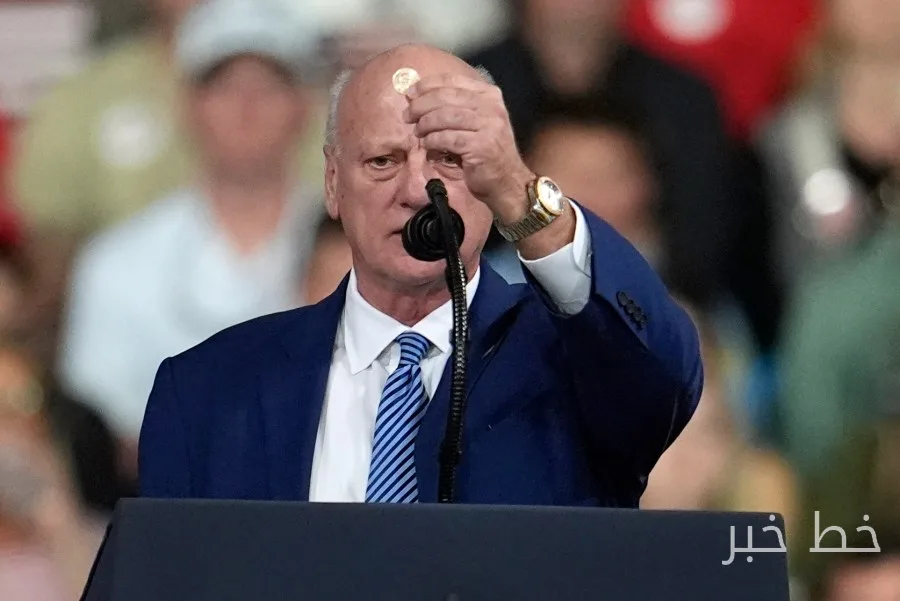
The United States has traditionally avoided placing images of living individuals on its currency design. This approach has been adopted for various reasons, including the preservation of national identity and respect for history. Now, with new proposals in mind, the discussion around the high costs of Trump's one dollar coin has become a hot topic.
Why the United States Avoids Images of Living Individuals
Avoiding the placement of images of living individuals on coins and banknotes in the United States dates back to an old tradition rooted in preserving national values. Many observers believe that this decision helps prevent political and social disputes related to the selection of figures. Additionally, this approach has contributed to creating a sense of unity among the people and preventing social tensions.
The Financial Costs of Trump's One Dollar Coin
The proposal for Trump's one dollar coin has recently gained attention, and the production costs have been heavily debated. The high costs of designing, producing, and distributing this coin have raised concerns about its economic impact on the national budget. Some experts believe that these costs could negatively affect other tax and economic projects in the United States.
While supporters of this plan believe that Trump's one dollar coin could serve as a national and cultural symbol, critics consider this initiative unnecessary and costly. This issue, alongside the current economic challenges in the United States, has led to significant discussions surrounding it.
Considering the historical figures that appear on the national currency of the United States, examining this topic from various angles could help better understand its social and economic implications. Trump's one dollar coin, as a new symbol, could attract diverse opinions, which could itself become a major challenge for decision-makers.



