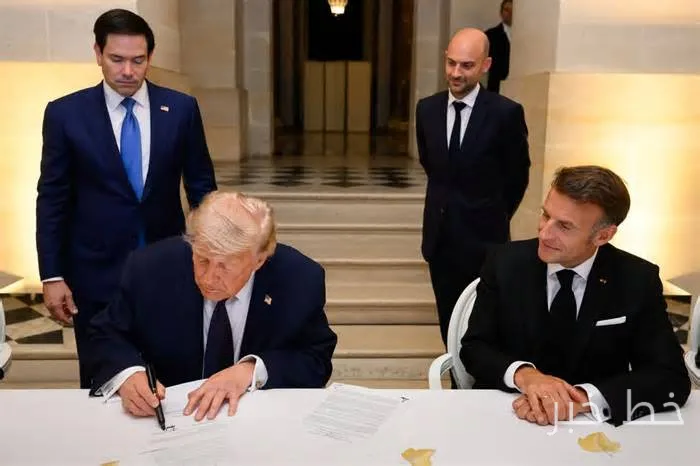
The Iran-U.S. agreement, as a complex issue, is not limited to enrichment, sanctions, and the Strait of Hormuz. Tehran emphasizes that the most significant challenge in negotiations is trust in America's adherence to agreements. As negotiations progress, there is concern about whether the U.S. will violate the agreement after signing it.
Iran's Concerns About the U.S. Approach
One of the issues raised in the Iran-U.S. negotiations is Washington's history of violating agreements. Iran refers to its previous experiences, highlighting how the United States abruptly withdrew from the 2015 nuclear agreement and reinstated sanctions. This issue has affected Iran's trust in the U.S. and has become a major obstacle to the success of current negotiations.
Read more: Madeleine Dean says Pennsylvania deserves better
The Necessity of Establishing Mechanisms for Trust
It seems that to advance negotiations, mechanisms need to be established to build trust between the two countries. Iran believes that without necessary guarantees, no agreement can lead to lasting peace. This approach clearly reflects Tehran's deep concerns about the unpredictable behavior of the U.S. in the future.
Iran has also stated that it will consider all aspects to reach an agreement and does not want to fall into the trap of agreements that could lead to further violations by the U.S. Therefore, discussions in this regard are intensively ongoing, and both sides must seek logical and practical solutions.
Ultimately, the Iran-U.S. negotiations reflect complex challenges that relate not only to nuclear issues but also to the diplomatic and historical relations between the two countries. The success of these negotiations clearly depends on the parties' ability to build trust and ensure adherence to agreements.
Read more: Marcus Frohmaier outlines AfD's new foreign programs · The U.S.-Venezuela security pact is a major blow to China's influence in America



