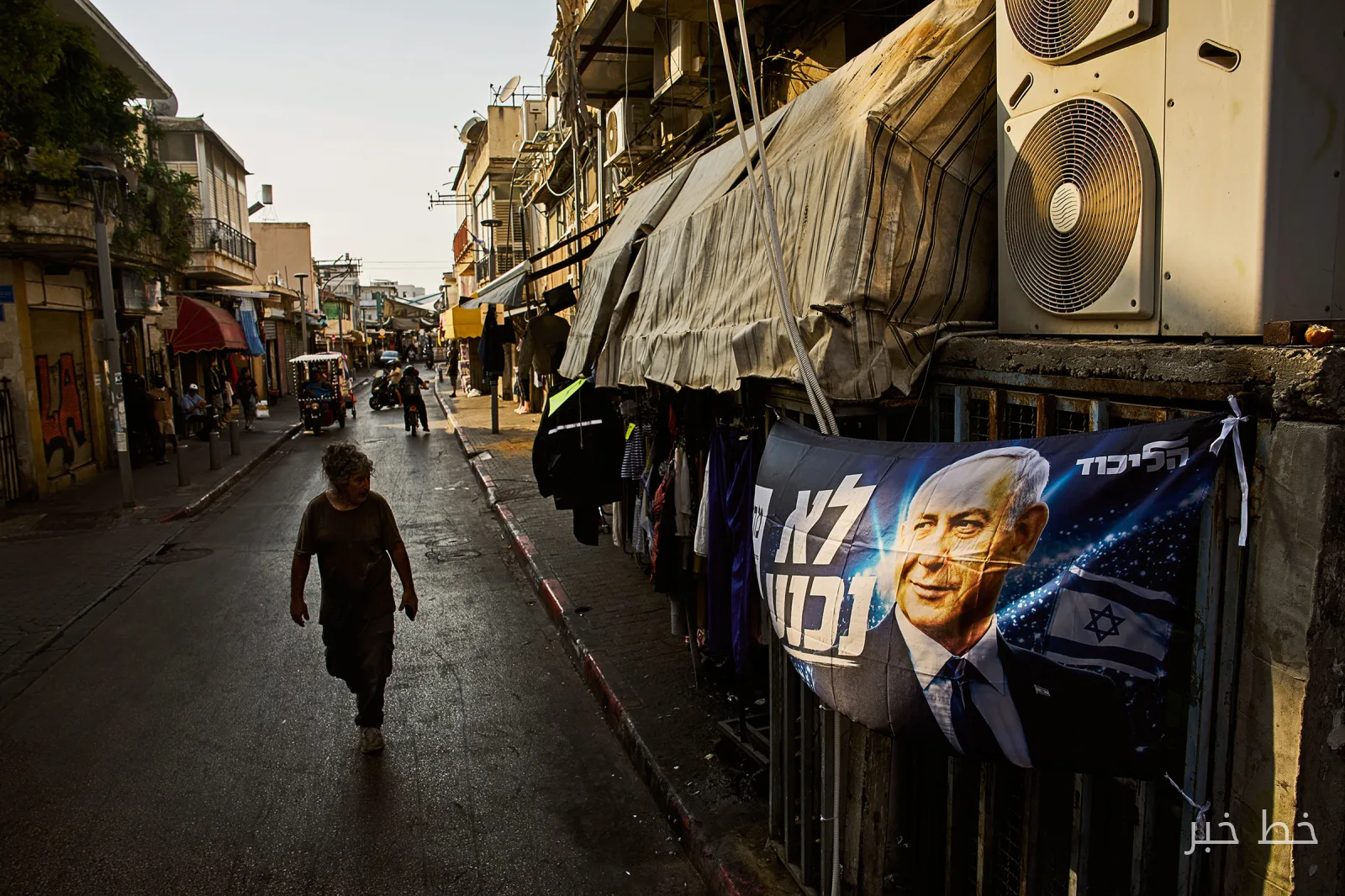
The Israeli elections will take place on October 27, 2023, amid escalating political and social tensions in the country. In this context, the elections are seen as a referendum on Israel's identity and its political future. Barak Mor, a resident of the Neve Daniel neighborhood, says: "Seven hundred trucks were delivered to Hamas by Israel today." This statement reflects the deep and complex emotions among the residents of Israel.
The Impact of War on Voter Choices
Many Israelis are more concerned about their own safety and that of their families rather than focusing on Palestinian casualties in Gaza. 1,200 people have died in Israel, and 251 hostages have been taken by Hamas. These realities have created a tense and charged political atmosphere in the country. This election not only affects Netanyahu's fate but also shapes Israel's future, as he has had a significant impact on the country's developments as a long-serving prime minister.
Competition Among Candidates and Challenges Ahead
Netanyahu's rivals include Gadi Eisenkot, former Prime Minister Naftali Bennett, Yair Lapid, and Avigdor Lieberman, each trying to attract votes by presenting different viewpoints. Eisenkot, who lost his son in the war with Hamas, emphasizes the importance of rebuilding public trust and mending social divides. He says: "This election is about Israel's identity and what future awaits the country."
According to polls, Eisenkot is recognized as Netanyahu's strongest rival. He is currently working on his promises to improve security and national unity. While Netanyahu seeks to form a unity government with Eisenkot, political challenges and trust issues among different parties could jeopardize this effort.
Netanyahu is also facing challenges from far-right groups that demand the annexation of the West Bank and a return to aggressive policies. These groups are pressuring Netanyahu due to international and domestic pressures, hindering him from forming a stable government. In this situation, Netanyahu's political future and that of Israel are severely at risk.