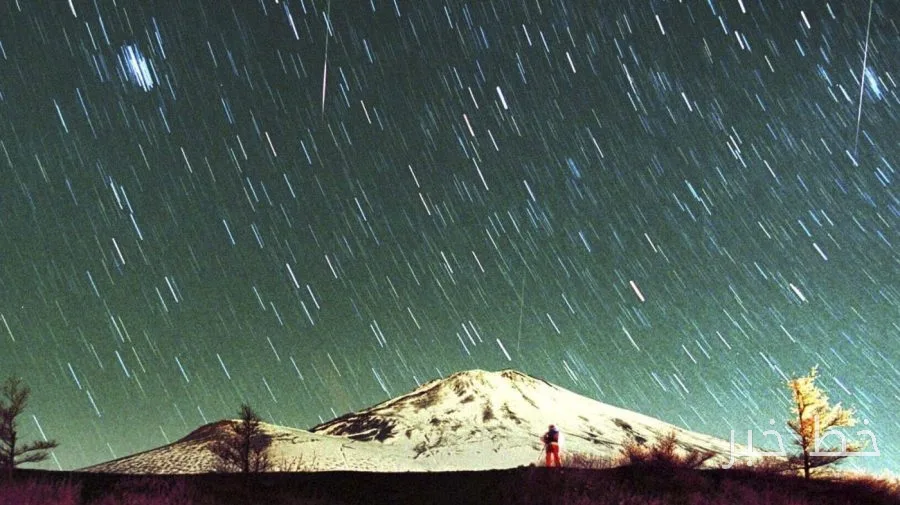
The Leonid meteor shower, which peaks every year in mid-November, is expected to put on a stunning display this week. Known for the high speed of its meteors, this meteor shower is one of the most exciting astronomical events of the year.
Peak Dates and Times
The Leonid meteor shower typically occurs between November 13 and 20, with its peak usually observed on the nights of November 17 and 18. During this time, up to 150 meteors per hour can be seen. The Leonid meteors, due to their high speed, can appear in the sky as bright and swift lights.
Read more: Felix Gallardo, the Godfather of the Mexican Drug Trade, Dies at 80
How to Observe the Meteor Shower
To observe the Leonid meteor shower, the best method is to go to a dark location away from light pollution. It is recommended to lie down and look up at the sky to catch sight of the meteors that appear randomly. Additionally, it is better to stay in that location for about 30 minutes to allow your eyes to adjust to the darkness, enabling you to see more meteors.
This week, with favorable weather conditions, the chances of observing the Leonid meteor shower increase. Therefore, astronomy enthusiasts and lovers of natural phenomena can take advantage of this opportunity to enhance their nights by watching the meteors.
Read more: Friedrich Merz Travels to Munich to Discuss with CSU · NASA Telescope Returns to Earth's Atmosphere