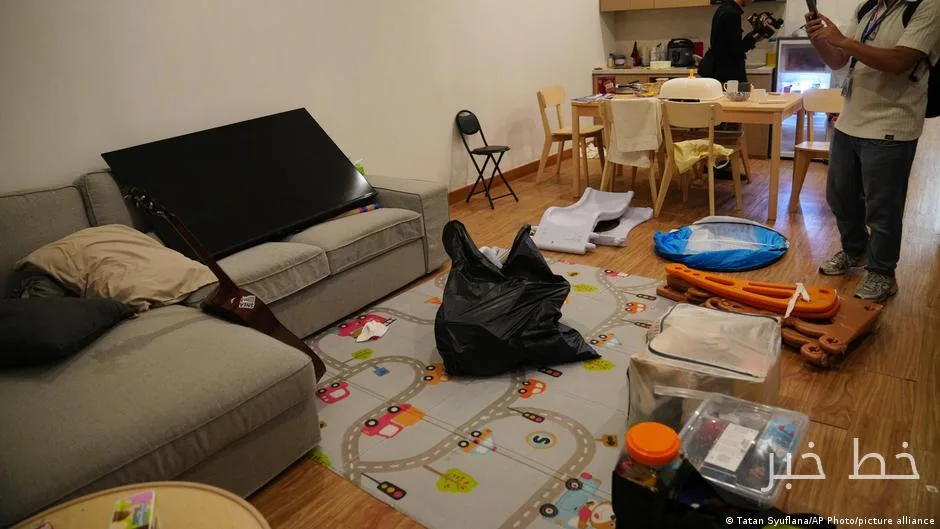
Inmates at Cipinang prison in Indonesia, located near Jakarta, face unusual conditions that include air-conditioned apartments, flat-screen TVs, and even a golf simulator. These luxury facilities were revealed following a surprise inspection by the country's oversight authorities.
Actions Following the Revelation
During this inspection, officials discovered more than 10 apartment units with refrigerators, sofas, and private living areas. A report regarding the construction of a new gym was also published. This revelation led to investigations into the payments made by inmates for special services. Following this event, five prison officials were suspended, and the prison warden was dismissed on October 5. Additionally, 10 unauthorized buildings were demolished, and further disciplinary actions were taken against prison staff.
Similar Issues in Other Southeast Asian Countries
This is not the first luxury prison scandal in Indonesia. In 2018, officials from the Anti-Corruption Commission discovered similar conditions for wealthy inmates at Sukamiskin prison in Bandung. Other Southeast Asian countries have also faced such issues. For example, last November, Thai officials investigated rumors about special privileges granted to Chinese inmates at the Bangkok detention center.
In Malaysia, there have been multiple claims regarding special services for inmates with political connections. The recent scandal in Indonesia has renewed calls for independent inspections of Malaysian prisons.
Investigations indicate that inequalities in the prison system are clearly present. Iwa Maulana, a senior researcher at the Indonesian Institute for Prison Studies, states: "In the world of prisons, money and influence act as capital. Powerful inmates generally do not lose their wealth and usually maintain strong connections with influential individuals." She added that the differential treatment of inmates based on their resources and influence reflects deeper inequalities that persist even within the prison walls.
According to Nasrul Ismail, a criminology professor at the University of Bristol, corruption in prison administrations reflects broader governance issues. He noted that decision-making behind closed doors can create opportunities for corruption.
However, these problems are not limited to a few wealthy inmates. Many inmates across Southeast Asia rely on financial support from their families to meet their daily needs. Meanwhile, poor inmates often depend on the money that their families deposit into prison accounts to buy food, clean water, and hygiene products.
Need for Fundamental Reforms
A significant number of inmates experience poor conditions due to social inequalities. Reports indicate that fundamental reforms in the prison system are essential to address these issues. United Nations rules regarding prisons call for regular internal inspections and external oversight by independent bodies.
Ultimately, Maulana believes that real change requires fundamental reforms in how judicial systems operate. She emphasized that efforts to implement non-custodial penalties and alternatives to imprisonment should be prioritized.