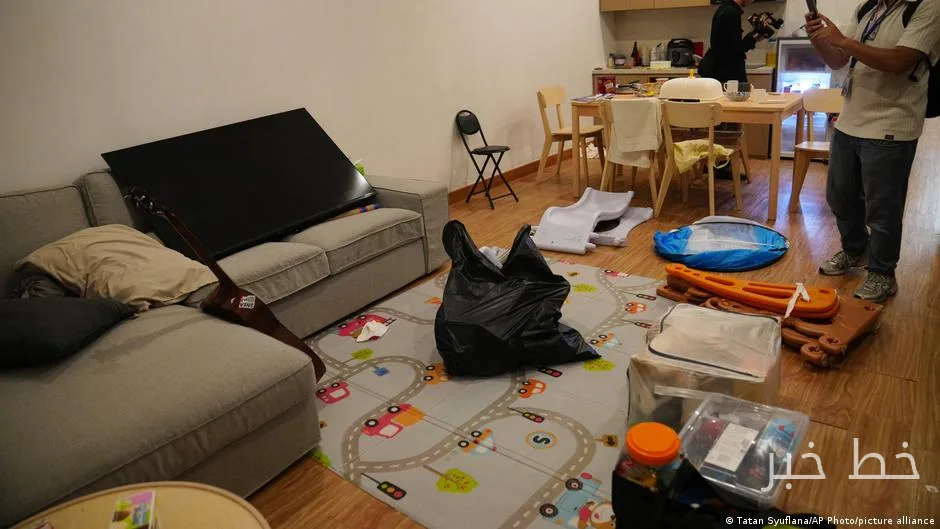
Inmates at the Cipinang prison in Indonesia, located near Jakarta, have access to facilities beyond expectations. Surprise inspections have revealed that this prison has apartment units with air conditioning, flat-screen TVs, and even a golf simulator.
Discovery of Luxury Facilities in Prison
Inspectors found over 10 apartment units equipped with refrigerators, sofas, and private living areas. It has also been reported that a gym is under construction. These discoveries have led to investigations into payments made by inmates for special privileges.
Five prison officials were temporarily suspended, and the prison warden was dismissed on October 5. Authorities also demolished 10 unauthorized buildings and took further disciplinary actions against prison staff.
History of Luxury Prison Scandals
This is not the first luxury prison scandal in Indonesia. In 2018, inspectors from the Corruption Eradication Commission discovered that wealthy inmates at Sukamiskin prison in Bandung enjoyed facilities such as private apartments. Such scandals are also observed throughout Southeast Asia. For example, last November, Thai authorities investigated claims that Chinese inmates in a Bangkok prison enjoyed special privileges.
In Malaysia, there have also been repeated allegations of special privileges for inmates linked to politicians. The recent scandal in Indonesia has renewed calls for independent inspections of Malaysian prisons.
Iwa Maulana, a senior researcher at the Indonesian Institute for Criminal Justice Studies, says: "Just as in the outside world, money and influence act as capital within the prison system. Powerful inmates often do not lose their wealth and maintain strong connections with influential people." She adds: "When some inmates receive different treatment based on their resources and influence, it indicates that individuals' identities even within prison walls affect how they are treated."
Overcrowded Prison Systems and Corruption
Overcrowded prison systems with insufficient resources also create opportunities for corruption. According to government data, Indonesian prisons housed about 279,000 people in late September, while their official capacity was around 154,000. Thai prisons are also severely overcrowded, with approximately 301,000 inmates by the end of 2025.
Corruption in prison administrations also reflects broader governance issues, as Southeast Asian countries consistently rank among the lowest on Transparency International's corruption perception index. Where bribery and patronage have previously impacted public services, prison officials may also be motivated by similar incentives to exchange special treatment for money or services.
However, this issue is not limited to a relatively small number of wealthy inmates benefiting from extraordinary privileges. Across Southeast Asia, many inmates rely on financial support from their families for their daily needs. Poor inmates often depend on the money their families deposit into prison cafeteria accounts to buy food, clean water, and hygiene products.
This issue not only involves the granting of special privileges to wealthy inmates but also demonstrates how broader inequalities are reproduced within prisons through various institutional arrangements.