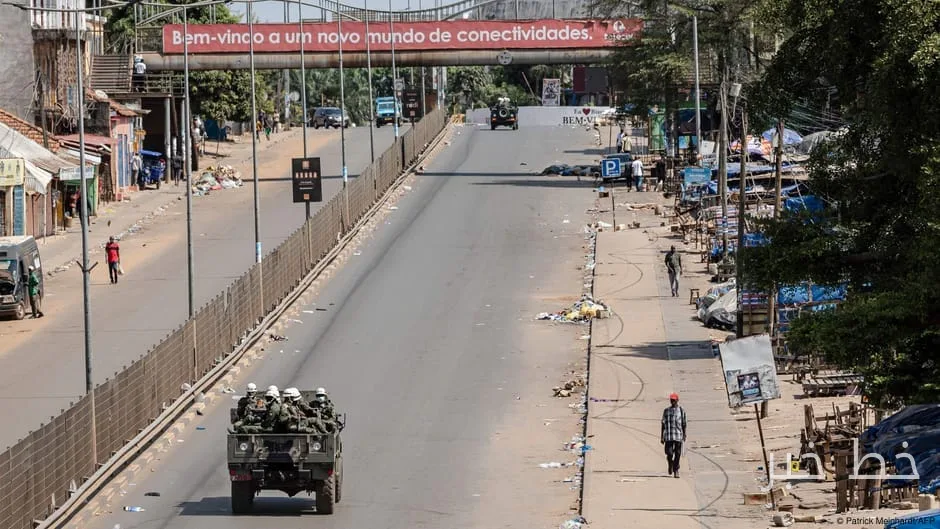
The military government of Guinea-Bissau announced that the presidential elections in the country have been postponed for two years until November 26, 2028. This news was released on the anniversary of the military coup on November 26, 2025, and is considered a significant decision in the political history of the country.
Reasons for the Delay in Holding Elections
Horta Inta-A, the transitional president and military general, stated that due to "lack of technical, material, and financial conditions," it is not possible to hold elections. He emphasized that effective conditions must be provided to conduct elections in a legal, transparent manner while adhering to democratic principles.
This decision comes at a time when Guinea-Bissau has faced numerous political and economic challenges in the past. This country, which has a history of coups and political instability, is under intense scrutiny due to widespread corruption and its role in drug trafficking to Europe.
International Reactions and Political Situation
The Economic Community of West African States (ECOWAS) has called on Guinea-Bissau to return to civilian rule. This request reflects international concerns about the state of democracy and human rights in the country. According to the Washington-based research center Freedom House, Guinea-Bissau is only "partly free" due to military interventions in elections.
In last year's general elections, the political situation became extremely turbulent after the army ousted former President Umaro Sissoco Embaló. Both Embaló and opposition candidate Fernando Dias da Costa claimed victory in the elections, but the army arrested Embaló a day before the results were announced.
Guinea-Bissau, a small tropical country on the west coast of Africa, often draws media attention due to its history of coups and political challenges. The country is also recognized as a key point for cocaine trafficking to Europe.
In recent years, the state of press freedom in Guinea-Bissau has also come under severe pressure. Reporters Without Borders ranks the country 100 out of 180 countries in the Press Freedom Index and points to deteriorating security for media professionals.