Arlinda Zekaj, a 49-year-old woman from Kosovo, was brutally murdered despite repeated requests for protection from the police. The murder occurred on October 25, in the village of Vitomirica near the city of Peja in western Kosovo, and had a profound impact on the community.
Details of the Murder of Arlinda
Arlinda Zekaj had repeatedly asked the police to protect her from threats posed by her husband, but according to her, the police did not take her seriously and accused her of exaggerating. In her last report, she had also complained about threats from her husband's brother, Albat Silaž. After the police arrested her husband due to his threats, Zekaj continued to request further protection from them.
The police returned her to her home, where her killer was waiting for her. At 8:58 PM, Zekaj exited the police vehicle, and just a few minutes later, the police received an emergency call to the scene of the murder. They found only her lifeless body in her bedroom, while Albat Silaž had fled.
Public Protests and Reactions
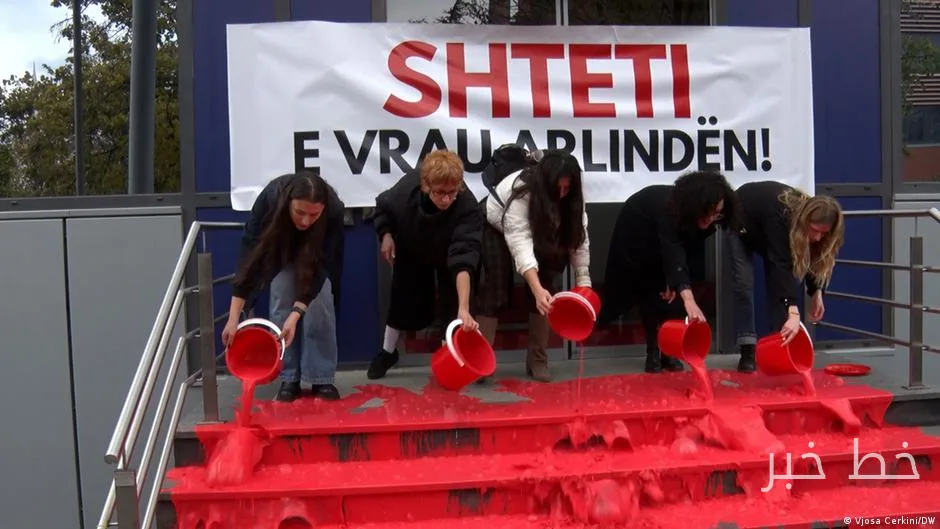
This murder was the eighth murder of women in Kosovo this year and particularly one of the most brutal. Zekaj's murder highlighted the failure of government institutions to respond to the requests of victims of violence. The day after the murder, a group of women's rights activists in the capital, Pristina, expressed their protest by pouring red paint on the steps of the government building. They demanded accountability from officials by installing a banner that read 'The government killed Arlinda.'
In the following days, public outrage led thousands to take to the streets. They held images of women who have been murdered and chanted protest slogans such as 'The government has blood on its hands.' Protesters have called for charges against the police and prosecutors involved in Zekaj's case to be pursued and have also demanded the resignation of the Minister of Internal Affairs, Xhelal Sveçla, and the Minister of Justice, Donika Gërvalla.
Ministers Sveçla and Gërvalla have so far opposed these demands, but the Prime Minister of Kosovo, Albin Kurti, admitted that some government institutions have failed in this regard.
The killing of Arlinda Zekaj is not only an individual tragedy but also a sign of the failure of social and governmental structures to support women and prevent violence against them. Women's rights activists have called for the establishment of a special unit within the Ministry of Internal Affairs for the security of women and a focus on preventing honor killings.