The new Congress of the United States, with the Democrats leading the House, has been reviewing and changing the health policies of the country. However, experts are divided on the extent of the changes and their impact on health issues. This uncertainty relates to Congress's ability to legislate and the actions that elected leaders can take within their powers.
Potential Impacts on Health Policies
While some health-related proposals may pass in Congress, there is also the possibility of a veto by the President. However, experts believe that these proposals will not be in vain even if they are halted at the White House. Chris Pope, a senior researcher at the Manhattan Institute, states that Democrats can test these proposals and implement them if they win the next presidential election.
Read more: Claire Mazumdar in New Role as Advisor and Vice Chair of the Board at Bicara
Challenges and Opportunities in Budget Allocation
In 2025, the Trump administration canceled or suspended over 7,800 grants for scientific research awarded by the National Institutes of Health and the National Science Foundation. One action that Democrats may consider is the revival of this funding, as it is a relatively small part of the federal budget and typically garners bipartisan support. At the same time, the Republican Congress in 2025 passed the "One Big Beautiful Bill" (H.R. 1) without extending funding for Affordable Care Act programs, which increased insurance costs for many.
Hakeem Jeffries, the House Minority Leader, has announced that he and Democratic members of Congress intend to reverse Medicaid cuts and extend tax credits through the Affordable Care Act. Meanwhile, some Democrats in the House are seeking to promote the "Medicare for All" policy, which refers to a national health insurance system for all Americans.
Some experts believe that Democrats traditionally have a clear view on healthcare, and many support increasing healthcare spending through expanded federal and state programs. However, the amount of available money and the extent of the budget deficit that markets will allow remains uncertain.
Utilizing Congressional Oversight Powers
Another strategy that Congress can employ is using its oversight powers through hearings to hold leaders accountable for their decisions. With more doctors and scientists entering Congress, there is a possibility that federal leaders will adhere to higher standards for justifying health-related decisions. This point has also been raised regarding the confirmation and appointment process of Robert F. Kennedy Jr. as Secretary of Health and Human Services.
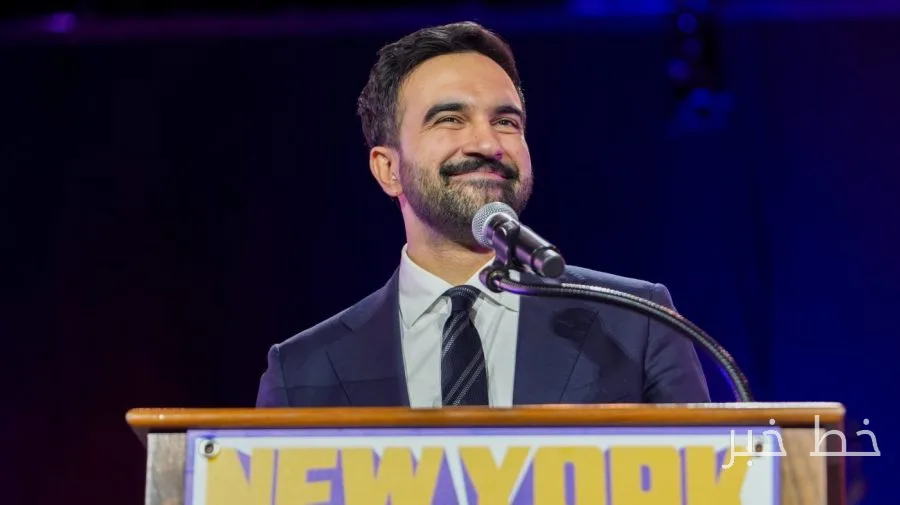
For example, Abdul El-Sayed, the new Senator from Michigan and an epidemiologist, has committed to reforming the Department of Health and Human Services. He believes that vaccine-related policies should be reviewed. Currently, two bills are under consideration that specifically relate to changes in the vaccination program.
The new Congress appears to be striving to improve the future of the healthcare system by passing proposals and revising health policies. However, existing challenges and potential reactions from the President could significantly impact this process.
Read more: Eighth Measles-Related Death Recorded in Pennsylvania · Ron Johnson Calls for Elimination of Filibuster by Republicans