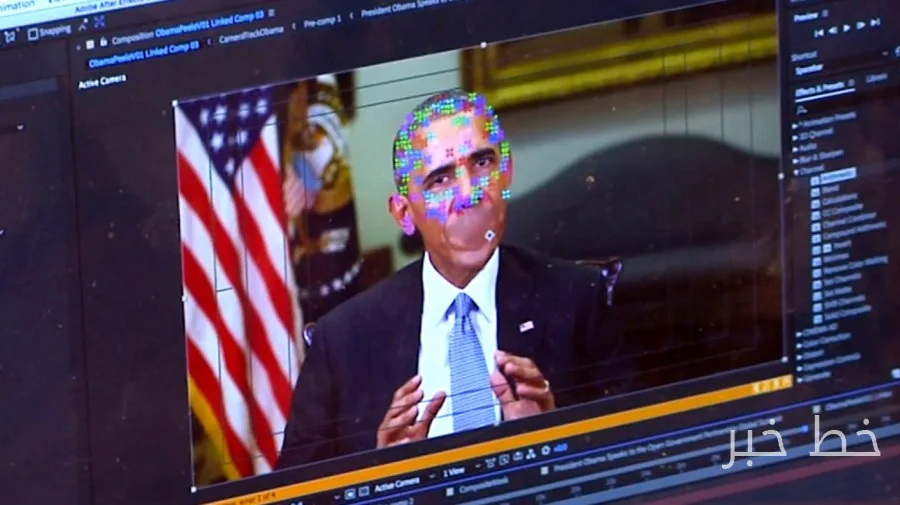
The NO FAKES law (Anti-Fraud Law) has been enacted with the aim of protecting individuals' identities in the digital world. This law enables individuals to safeguard their identity against forgery and potential misuse. With the advancement of technology and the increased use of artificial intelligence, concerns about the possibility of copying, manipulating, and misusing faces and voices have grown.
The Necessity of Enacting the NO FAKES Law
With the increasing use of new technologies, issues such as identity theft and misuse of images and voices are on the rise. Many individuals are concerned that their face or voice may be used without their consent. The NO FAKES law has been enacted as a response to these concerns. This law assures individuals that their digital identity is safe and prevents any form of misuse.
Read more: Venezuelan man did not respond to charges of stealing from ATMs in U.S. court
Consequences of the NO FAKES Law
The enactment of the NO FAKES law can have profound effects on individuals' digital security and privacy. This law not only helps to preserve individuals' identities but also requires companies and organizations to exercise greater caution in using individuals' images and voices and to respect individuals' intellectual property rights. In this way, this law will help to strengthen public trust in new technologies.
The NO FAKES law can also serve as a model for other countries in the field of protecting individuals' digital identities. Given that concerns about digital security are not limited to one country, this law can help establish international standards in this area. Ultimately, the main goal of this law is to enable individuals to use new technologies with greater confidence and to protect their identity.
Read more: The U.S. Senate Homeland Security Committee examines national security risks posed by artificial intelligence · The U.S. halted consular services in Brazil due to security concerns