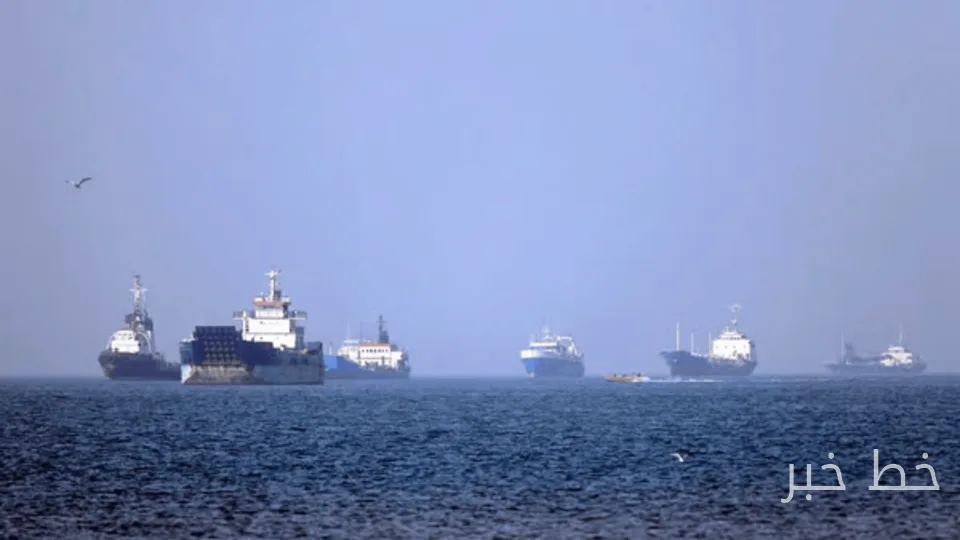
The Persian Gulf Waterway Management Authority has announced that it is negotiating with ships to remove them from Iran's blacklist and prevent their entry into this list. These negotiations follow the increased penalties for violating ships by the Revolutionary Guard Navy in the Strait of Hormuz.
Increased penalties for ships in the Strait of Hormuz
The Revolutionary Guard Navy has recently intensified penalties for violating ships in the Strait of Hormuz, releasing daily images and videos of exploded, sunk, and burned ships. This authority has explicitly stated that "the fate of violating ships that defy Iranian regulations in the Strait of Hormuz is to burn in the fire of the trust of the American terrorist army." These actions demonstrate Iran's determination to maintain the security of its waterways and combat illegal activities in this region.
Read more: The Trump administration spent $300 million in the midterm elections
Negotiations with ships to exit the blacklist
Currently, 19 vessels are negotiating with Iran to exit the country's blacklist or to prevent their entry into this list. Additionally, 2 other vessels have committed to being removed from the blacklist by complying with Iranian regulations. These negotiations reflect the efforts of the ships to align with Iran's regulations and maintain the security of their operations in the waters of this country.
It seems that these actions and negotiations will have significant impacts on ship traffic in the Strait of Hormuz and commercial activities in this region. Given the importance of this waterway for global trade, the outcome of these negotiations could also affect Iran's trade relations with other countries.
Read more: The Trump administration acts in favor of the wealthy, not its supporters · Oliyanov responded to the U.S. regarding claims of negotiations with Iran