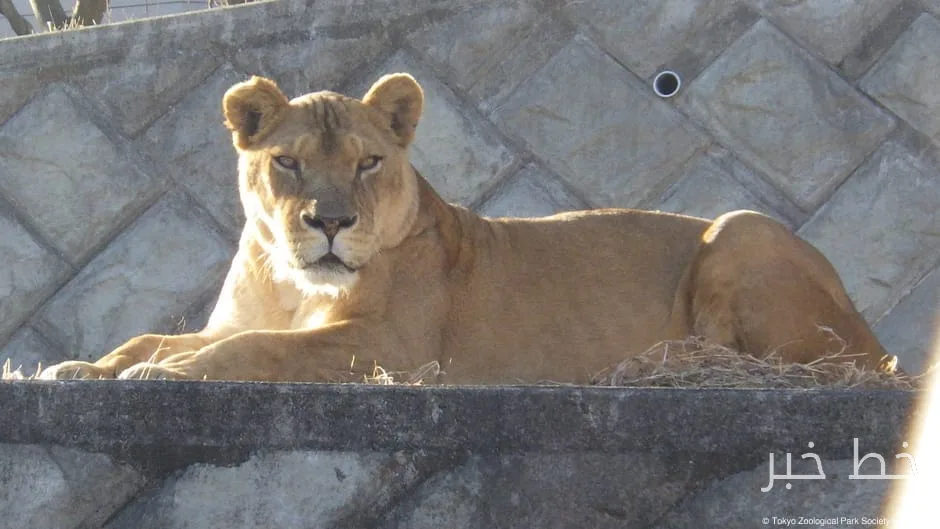
The extensive search conducted by Turkish authorities in the forests of northern Istanbul revealed that the animal in question is neither a lion nor any other type of large animal. The Istanbul governor's office initially announced on Sunday that security cameras had captured footage of a "released lion" in the Sarıyer area, on the European side of Istanbul.
Ambiguous images of the animal
The office stated that "the lion has been identified and efforts to capture it are underway." Additionally, the parks department announced in an online statement that police officers in the area had observed an animal resembling a lion on surveillance cameras. Turkish media published ambiguous images of "a female lion walking in a grassy area," and some reports indicated that "the animal had escaped from a nearby house."
Read more: The EU carbon trading system must finance the transition to net-zero aviation
Lack of definitive evidence
Even the Istanbul public prosecutor's office issued a statement announcing that investigations to identify the lion's owner had begun. However, after a day of searching, the Istanbul governor's office announced that "no definitive evidence of the lion's existence was found." Furthermore, based on new images, it was determined that the animal in the footage is neither a lion nor any other species of large animals.
Officials stated that this case is neither related to a released lion nor has it been addressed, but this issue has sparked anger among activists and environmental defenders. The Northern Forests Defense Movement, an independent environmental advocacy organization, called for the identification and prosecution of those who had illegally kept the lion in captivity.
Gökçe Koşkun, a wildlife protector, stated that "thousands of people in Turkey are keeping lions illegally" and that "licensed lion parks have sprung up everywhere." She also noted that last year, a runaway lion from an "amusement park" near the city of Antalya was killed after attacking a man.
Duğanay Tolunay, an ecology professor at Istanbul University, said that questions must be raised about how a globally endangered species entered Turkey, how it passed through customs, and why those who keep it have not been identified.
Although keeping wild animals as pets is prohibited in Turkey, the country has become a hub for illegal wildlife trade, as traffickers exploit its air connections with Africa and Asia.
Read more: The Trump administration and the oil industry delayed the EU climate law through lobbying · Turkey's officials search for a female lion in Istanbul



