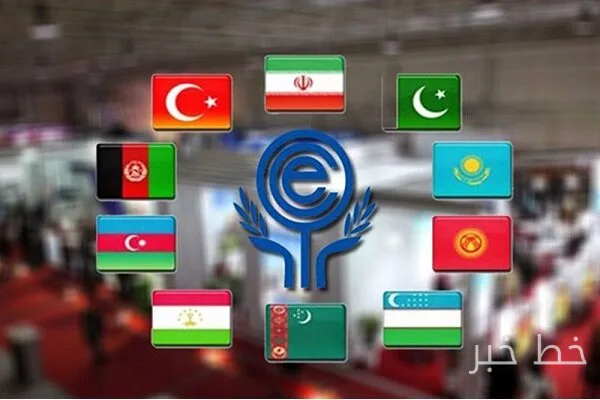
The Summit of the Heads of the Economic Cooperation Organization (ECO) will be held on December 3rd and 4th in Tehran. This summit is an opportunity to redefine Iran's regional cooperation capacities and strengthen economic and security ties with neighboring countries. The holding of this summit with the presence of the heads of member countries and the possibility of special guests could become a turning point in the country's multilateral diplomacy.
Efforts to Strengthen Economic Ties
The expansion of Iran's interactions with regional organizations such as Shanghai, the Eurasian Economic Union, and ECO reflects Tehran's efforts to strengthen the link between national security, economic interests, and multilateral arrangements. This approach can reduce the limiting effects of sanctions and enhance Iran's capacity to play a role in the equations of the new global order.
Details of the Summit and Its Goals
Ismail Baqai, spokesperson for the Ministry of Foreign Affairs, has announced the holding of this summit and stated that the resolutions of the ECO Foreign Ministers' meeting recently held in Pakistan will be approved at this session. Baqai added that most participants in the Tehran summit will be at the level of heads of state, and it is likely that Iran will host some special guests as well.
Regional diplomacy is considered one of the main pillars of the thirteenth government's strategy. Active participation in the Shanghai Cooperation Organization and efforts to revive the capacities of the Economic Cooperation Organization (ECO) are signs of Iran's movement towards multilateral diplomacy. The ECO summit, which Iran will host, is seen as an opportunity beyond a ceremonial event. With 10 members and significant capacities in energy, trade, transit, and tourism, ECO can become one of the effective platforms for economic convergence in the region.
The Necessity of Realizing ECO's Capacities
Realizing the capacities of the Economic Cooperation Organization (ECO) requires overcoming executive barriers and transforming political agreements into operational programs. This summit can provide a basis for rebuilding the economic and political capacities of an organization that, despite having geographical and cultural commonalities among its members, has yet to achieve its true position in regional equations.
The member countries of ECO possess complementary capacities in energy, transit, trade, tourism, and technology. Activating these capacities can lead to the formation of a network of economic cooperation that, while increasing constructive interdependence, strengthens the resilience of the economies of the region against external pressures.
Iran's interaction with the Eurasian Economic Union and the development of relations with Russia and other members of this group also has strategic importance in the country's economic diplomacy. A free trade agreement between Iran and this union can help develop export markets and facilitate trade exchanges. These actions can elevate regional cooperation beyond the level of political agreements and turn it into a practical tool for strengthening the country's economic power.
Challenges and Prerequisites
Transforming membership in regional organizations into tangible achievements requires moving beyond declarative diplomacy and towards executive cooperation. Removing banking and customs barriers, developing transit infrastructure, facilitating visa issuance, and defining joint projects are among the prerequisites that can enhance the effectiveness of these memberships.
The summit on December 3rd and 4th in Tehran will be an opportunity to assess Iran's regional diplomacy capacity in transforming political interactions into economic and security achievements. How this opportunity is utilized and the extent to which agreements are implemented will determine how much ECO can contribute to strengthening regional convergence and increasing Iran's role in effective multilateral arrangements.
Read more: Inflation is Rising, but Economic Growth Remains Strong · Iraqi Considered Isfahan Deserving to Become a Center of Peace Diplomacy



