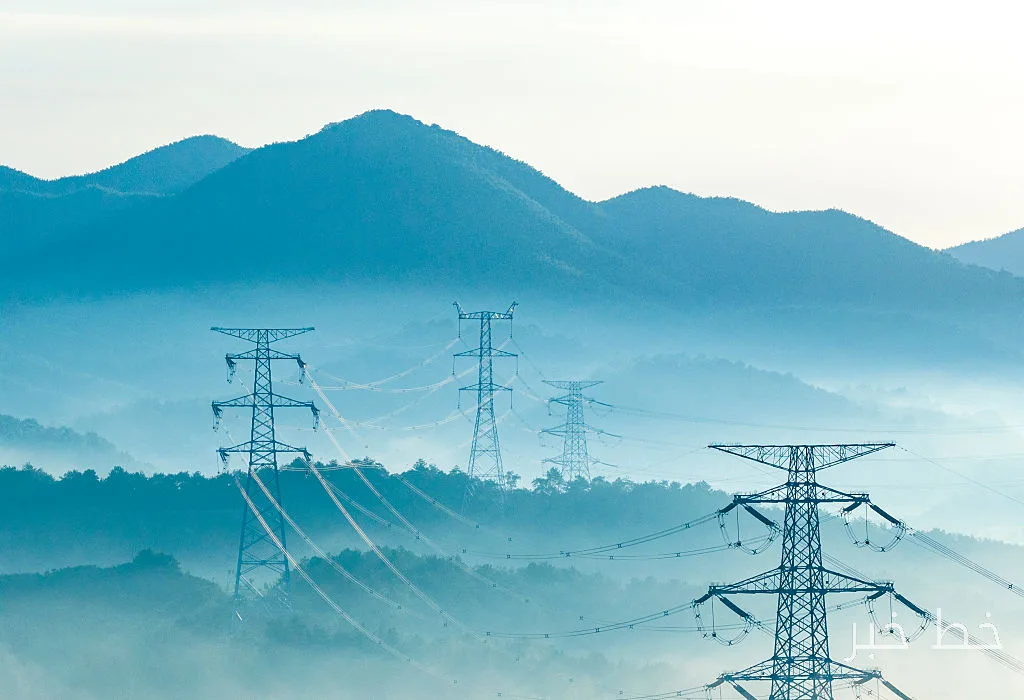
The emergence of electrostates could lead to changes in the structure of the global economy. Last March, with the halt of transportation from the Strait of Hormuz, energy importers learned an old lesson again: a country that purchases its energy in bulk also incurs any price shocks. The consequences of how governments react to this reality will soon extend beyond energy markets.
Key Decisions for Sustainable Energy Supply
Today's decisions for a more reliable energy supply can determine where factories are built, which countries produce the technologies needed to power the global economy, and how vulnerable at-risk countries will be to future disruptions in oil and gas supply. These decisions will determine which countries will emerge as electrostates and be capable of shaping and controlling future economies.
Read more: Senator Kevin Cramer Calls for Reviving the Export-Import Bank to Compete with China
New Analysis on the Electrification of Different Countries
A new analysis recently published has examined the electrification trend in 16 countries and shows that this transformation is progressing unevenly. The United States has focused on domestic oil and gas production, while China is rapidly electrifying its economy and strengthening its leadership in the electric technologies industry. Other countries are also moving towards electrification; for example, France plans to increase the share of electricity in final energy from 27 percent to 38 percent by 2035.
According to the Electrification Competitiveness Index, the average conditions for progress in 16 economies is 67 percent, while this figure is only 45 percent for market conditions and deployment. In other words, in most countries, policies are ahead of the market. This gap reflects the distance that needs to be covered to prepare for and achieve large-scale electrification.
China is leading in this area, producing over 80 percent of the world's batteries. However, China's transition to electricity has extended beyond transportation. The share of electricity in final energy consumption in China has doubled since 2005, and electrification has expanded in industry, buildings, and transportation.
In the United States, infrastructure and policies have raised questions about continued progress. Investment in new infrastructure and electricity generation must align with policy changes to provide assurance for investors.
Read more: Decision on School Selection Increases Pressure on Democratic Governors · Trump's $8 Billion Plan to Aid Farmers