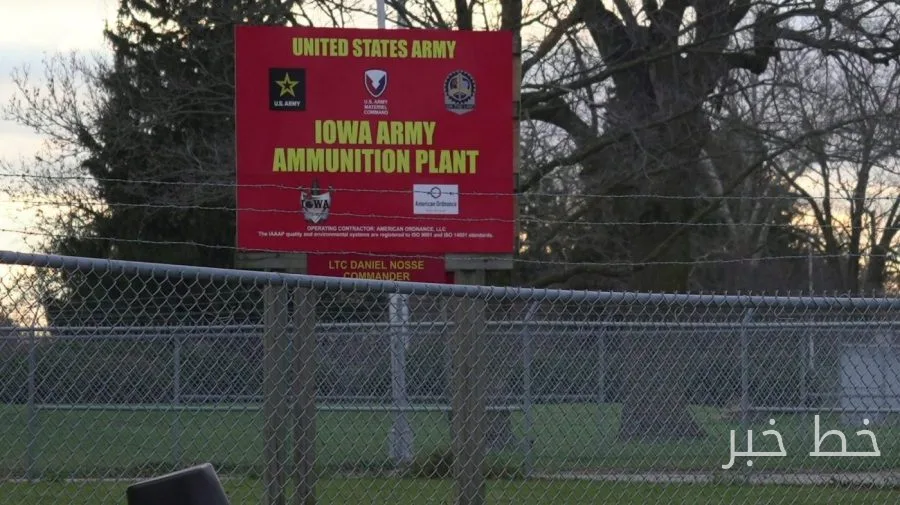
The United States Army exploded a disrupted stockpile of lead-based toxic munitions in Iowa on Wednesday. This action was taken amid public health concerns that had initially delayed the planning for this explosion.
Details of the Explosion in Iowa
The explosion took place in an area near Des Moines, the capital of Iowa. These munitions, which were no longer usable due to deterioration and danger, had been stored in warehouses for years. Army officials have stated that this action is part of a larger program to manage and eliminate outdated and hazardous munitions.
Read more: Iowa Increases Oversight of Food Resources
Health Concerns and Their Implications
Although the Army had made precise plans for this explosion, some residents and public health experts raised concerns about the potential impacts of this explosion on air quality and public health. They emphasized that the toxic materials in these munitions could pose risks to residents near the explosion site. In response to these concerns, the Army has taken measures to mitigate risks and monitor the air quality in the area.
This explosion is part of the United States Army's efforts to reduce hazardous stockpiles and ensure public safety. In the past, the Army has undertaken similar actions to eliminate dangerous munitions, but this time it faced more protests and concerns from the local community.
The outcome of this action highlights the ongoing challenges in managing hazardous materials and the need for better communication with local communities. The Army hopes that by implementing these programs, it can build public trust and prevent similar concerns in the future.
Read more: Greg Stanton Supports MAHA Program with Appointment of Steven Miller as White House Chief of Staff · Lawmakers Urge Army to Delay Lead Bomb Explosion in Iowa