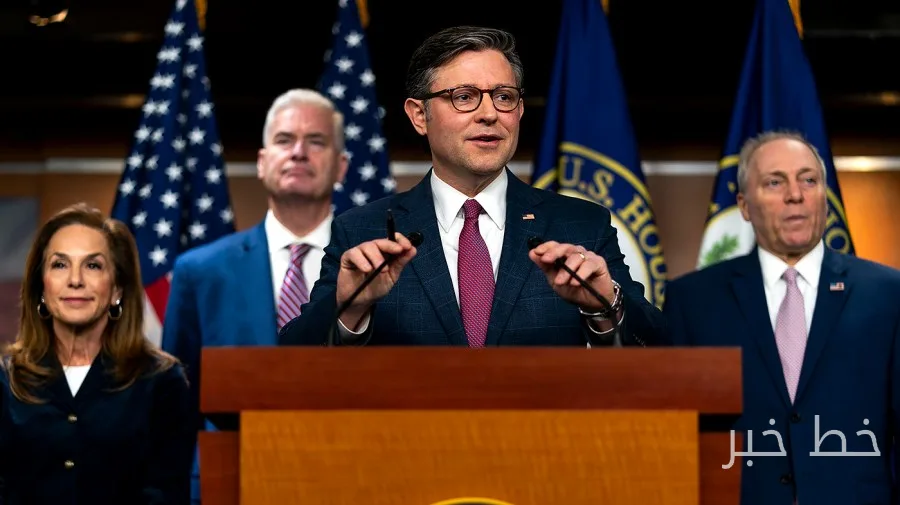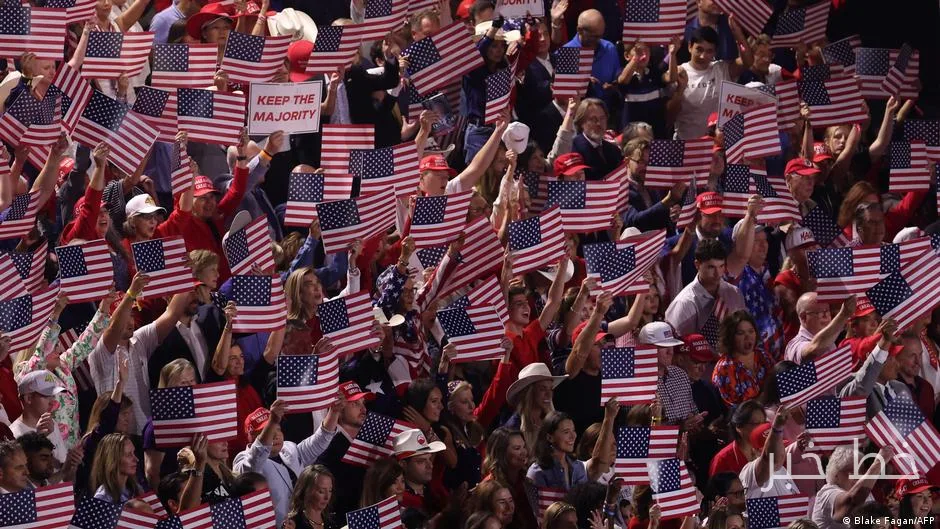
The United States midterm elections will take place on November 3. In these elections, American citizens will elect their representatives for Congress and some state governors. These elections occur in the middle of the presidential term and every four years, significantly impacting the country's domestic and foreign policies.
About the Midterm Elections
In the midterm elections, the people of the United States elect their representatives for both houses of Congress, namely the House of Representatives and the Senate. Additionally, in 36 states, the people will also elect their governors. These elections are often seen as a kind of referendum on the President and the ruling party. If the public is satisfied with the President's performance, his party usually performs better in these elections and vice versa.
Currently, Republicans led by Donald Trump hold the majority in both houses of Congress, but their margin is very slim. In the House of Representatives, there are 218 Republican representatives, 214 Democratic representatives, and one independent representative who usually votes with the Republicans. According to forecasts, Democrats may gain the majority in the House of Representatives in this election.
The Impact of Elections on Future Policies
The Senate consists of 100 seats, with each state having two representatives. Currently, there are 53 Republican senators and 45 Democratic senators. If there is a tie in the Senate voting, the Vice President will have a decisive role. Therefore, currently, Vice President J.D. Vance can vote in favor of the Republicans in the event of a tie.
In the governor elections, for the first time, a Black woman may be elected as a state governor. In Minnesota, Amy Klobuchar, a Democrat, and Lisa Demuth, a Republican, are competing for this position. In Georgia, Kisha Lance Bottoms, a Democrat, is competing against Rick Jackson, a Republican. While Klobuchar seems to have a better chance of winning, the competition in Georgia appears to be closer.
Thus, the United States midterm elections can have significant impacts on the country's domestic and foreign policies. Although voter turnout in these types of elections may be lower than in presidential elections, the results will heavily influence policymaking decisions in the coming years.