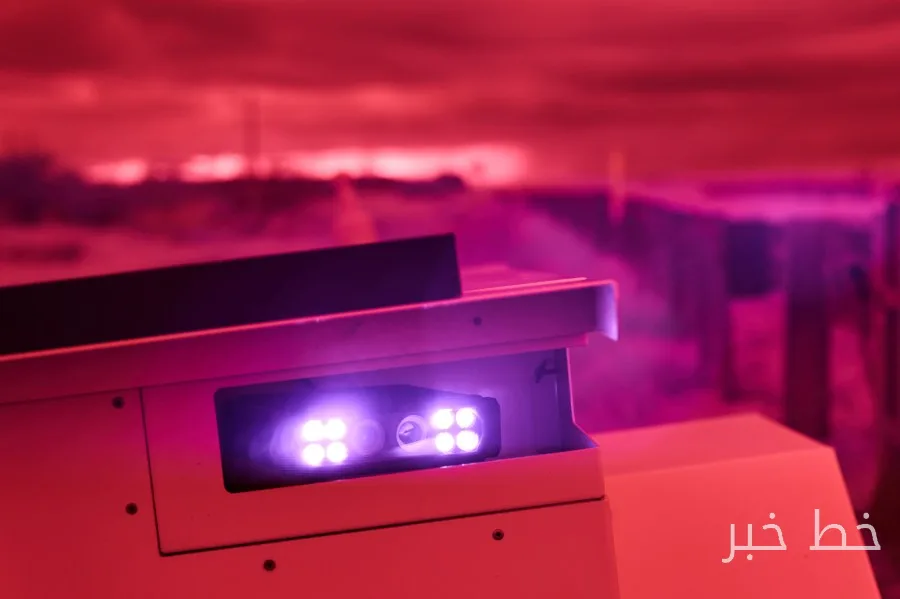
The United States Supreme Court, in a significant ruling, upheld drivers' right to privacy against the use of license plate cameras. This decision particularly addresses the fundamental differences between observing vehicles in public spaces and the government's ability to track individuals' movements over time.
Differences in Monitoring Vehicles
The use of license plate cameras allows the government to track individuals' routes and movements over weeks or even months. This type of surveillance can lead to violations of individuals' privacy and make them feel they are being watched. However, observing a vehicle on a public street does not constitute a violation of privacy.
Read more: Lawmakers in Congress 120 are facing fear and despair
Implications of the Supreme Court's Decision
This decision by the United States Supreme Court could have a significant impact on how surveillance technologies are used in the future. Additionally, this ruling may help strengthen individuals' privacy rights against surveillance technologies and establish new standards for protecting individuals' privacy.
It is essential to note that as technology advances, new challenges in privacy arise. Therefore, it is crucial for laws and regulations to be updated to protect individual rights against modern surveillance. This issue is particularly important regarding the use of license plate cameras, which are increasingly installed in cities and on roads.
Ultimately, the United States Supreme Court, by emphasizing the right to privacy, demonstrated that government surveillance must be conducted carefully and with respect for individual rights. This decision can be seen as a milestone in the protection of individuals' privacy rights against surveillance technologies.
Read more: Images of the future presidency at celebrations · Ireland's Data Protection Authority halted the use of third-party data by X