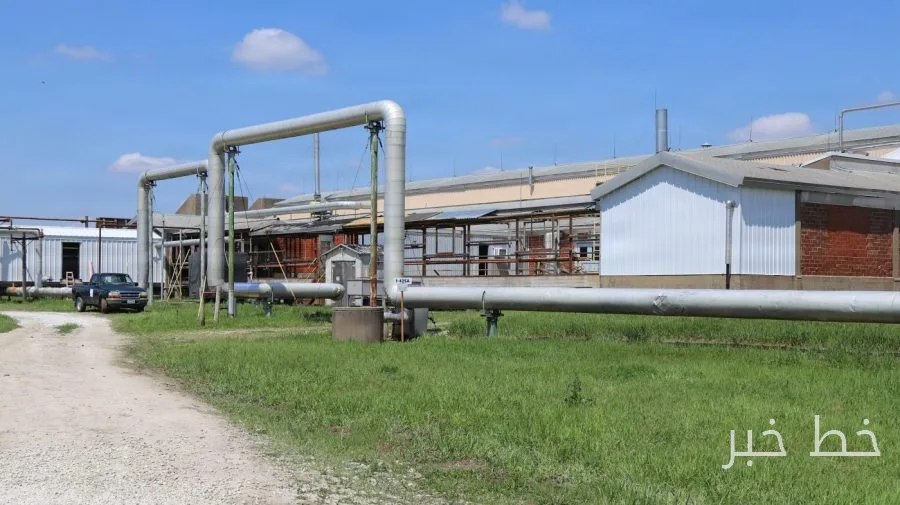
The U.S. Army is planning to continue the detonation of lead azide, despite a federal court issuing an indefinite halt order for this operation. According to new court documents, this action is based on the exception for explosives and emergency munitions.
Reasons for Continuing Operations
The Army has stated that controlled detonation of lead azide is necessary to prevent greater dangers that may arise from an uncontrolled explosion. According to officials, this detonation is aimed at protecting public health and safety in areas where these materials are stored.
Read more: Democratic Representative's Cover-Up of Republican Lawyer in Congress
Legal and Social Implications
The indefinite halt of this operation has been criticized due to environmental concerns and potential negative effects on local communities. Environmental activists and some social groups have urged the Army to take more safety measures in this regard. They are worried that continuing this operation may lead to soil and groundwater contamination.
On the other hand, the Army states that all necessary measures to mitigate risks and ensure public safety are being taken. They emphasize that these detonations are under strict supervision and all safety protocols are being followed.
Impact on Local Communities
Many residents in areas near the lead azide detonation site are concerned that this operation may affect their daily lives. Some have expressed worries that the noise from the detonations and the possibility of contamination could harm their health. Meanwhile, the Army is continuously communicating with local communities and trying to address their concerns.
However, concerns about the continuation of this operation and its impacts on the environment and local communities remain strong. Social and environmental activists believe that instead of continuing this operation, safer solutions should be sought for managing these hazardous materials.
Read more: John Cornyn Calls Ted Cruz 'Fragile Thing' in Texas Judicial Controversy · Death of a Child in Virginia Due to Measles Recorded in 2026