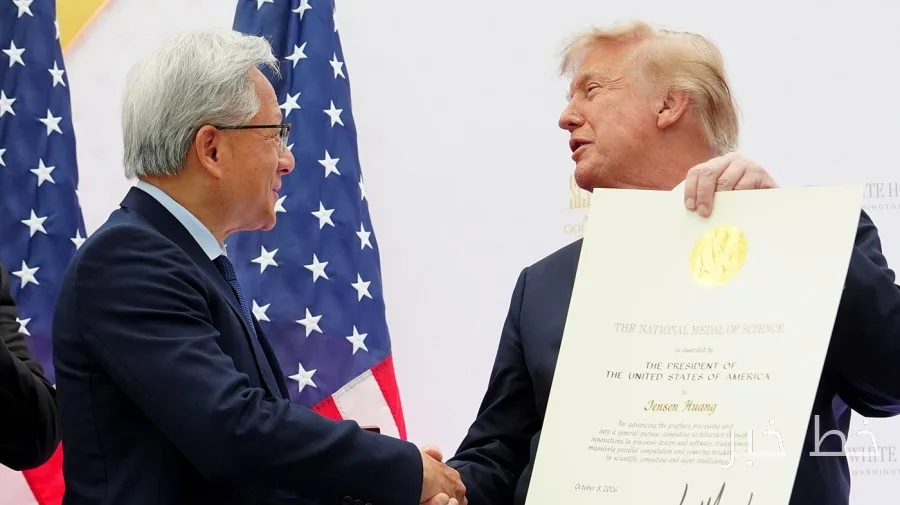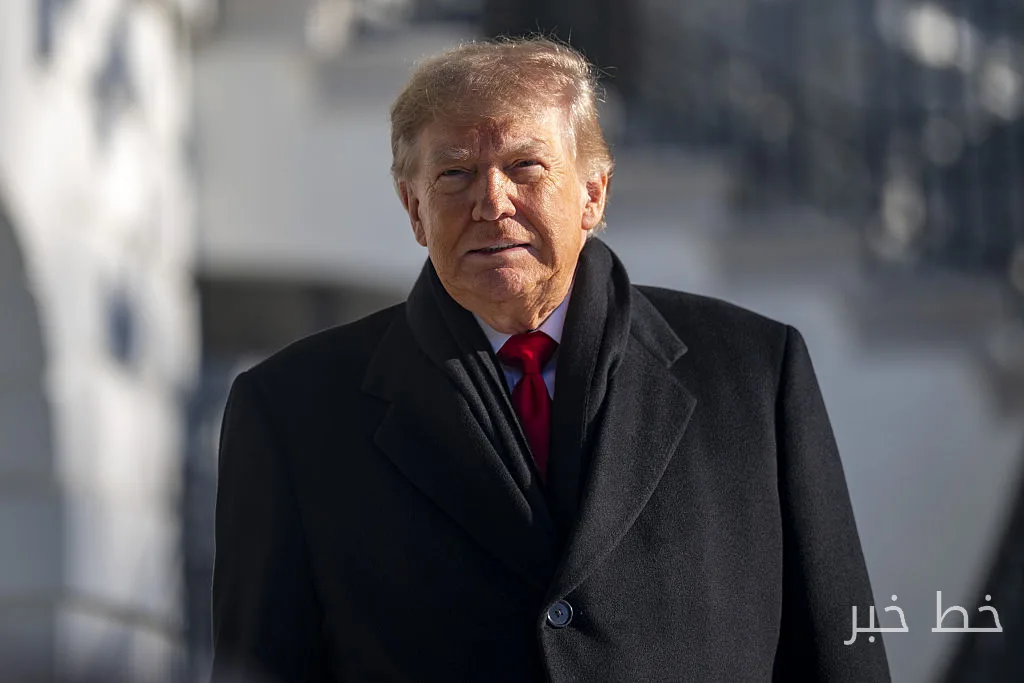
The U.S. government has imposed new restrictions starting Monday to prevent the circumvention of sanctions on the sale of advanced AI chips to China. This action comes just before a meeting between former President Donald Trump and Chinese President Xi Jinping, and follows an international scandal involving Nvidia, the largest AI chip manufacturer.
Details of the New Restrictions
The U.S. Department of Commerce announced that buyers of advanced chips from specific countries must obtain a license for the sale or transfer of these chips. Indonesia, Malaysia, Singapore, Thailand, and Brazil have been identified as high-risk countries for evading sanctions. This regulation will come into effect within 90 days.
China is currently banned from purchasing certain advanced chips directly from U.S.-based companies like Nvidia. However, some Chinese companies have circumvented these regulations by purchasing these chips through shell companies in third countries or renting processing power from data centers in non-sanctioned countries.
Role of Government Officials and Reactions
This law grants Commerce Secretary Howard Lutenik significant powers to determine which chips may require additional protections. Under these regulations, the Secretary can verbally inform a seller of AI chips about new export restrictions if the department believes there is an unacceptable risk.
These regulations were introduced following public criticism from Scott Basset, the Treasury Secretary, regarding Lutenik's inadequate oversight of chip exports to China in a television interview. Basset stated that the Treasury, Defense, Commerce, and State Departments had been calling for the inclusion of Megaspeed on the entity list for months, but the Commerce Department had stalled this action.
Basset added, "President Trump has clearly stated that China should not receive any Nvidia chips above the H100, so any leak of information is very disappointing as it harms our major companies in the AI competition." Trump himself is set to visit China this week to meet with Xi and Vladimir Putin, the President of Russia, on the sidelines of the Asia-Pacific Economic Cooperation (APEC) summit.
The federal government had previously restricted China's access to AI chips during Trump's presidency. As competition between the two countries intensified in this area, the Biden administration declared the export of advanced chips to China illegal in 2022. However, despite these restrictions, Beijing has continued to gather thousands of chips to build its AI systems.
Last year, Trump reversed his export restrictions and allowed Nvidia to sell two types of computer chips used in AI development to "approved customers" in China. These developments may come under stricter scrutiny next year, especially with the Democrats taking control of Congress.