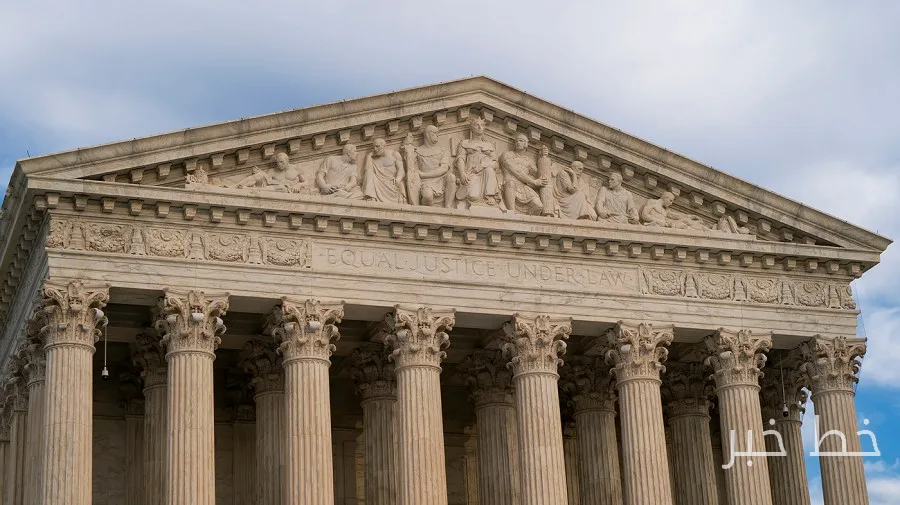
On Monday, the U.S. Supreme Court rejected the appeal of three defendants accused of orchestrating the September 11, 2001 attacks. These individuals include Khalid Sheikh Mohammed and his two alleged accomplices, Mustafa al-Hawsawi and Walid bin Attash, who are currently held at Guantanamo Bay.
Rejection of the Appeal
The Supreme Court denied these appeals without providing specific explanations. Khalid Sheikh Mohammed is recognized as the mastermind behind the September 11 attacks and, along with his two accomplices, Mustafa al-Hawsawi and Walid bin Attash, is awaiting trial. These individuals have been held at Guantanamo since 2006, and their legal cases have been repeatedly delayed due to legal complexities and national security issues.
Legal and Social Implications
The rejection of these defendants' appeals could have widespread implications for the U.S. judicial system. These cases are seen as examples of the human rights and legal challenges in managing terrorism. Critics argue that the judicial process at Guantanamo violates human rights and needs reform. Furthermore, the lack of resolution in these cases may lead to ongoing legal and social disputes and increase public feelings of insecurity.
Given that the September 11 attacks have had a profound impact on U.S. domestic and foreign policies, as well as on the global perception of terrorism, the rejection of these three defendants' appeals may strengthen anti-terrorism sentiments and also criticisms of the judicial system.
Read more: Twelve migrants died in Aegean sea incidents in Greece