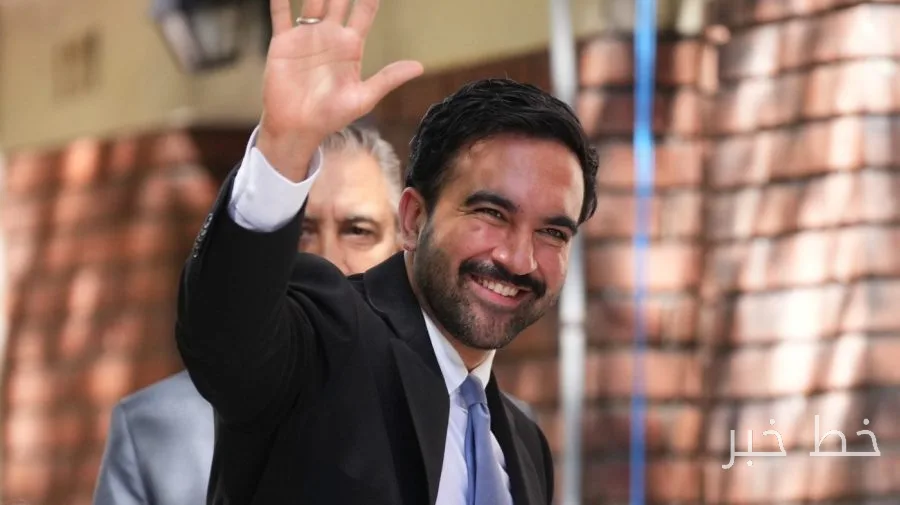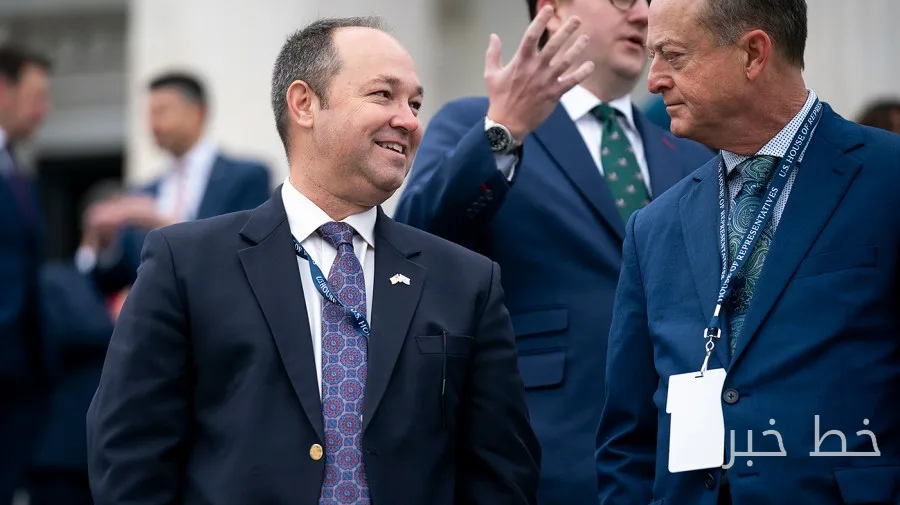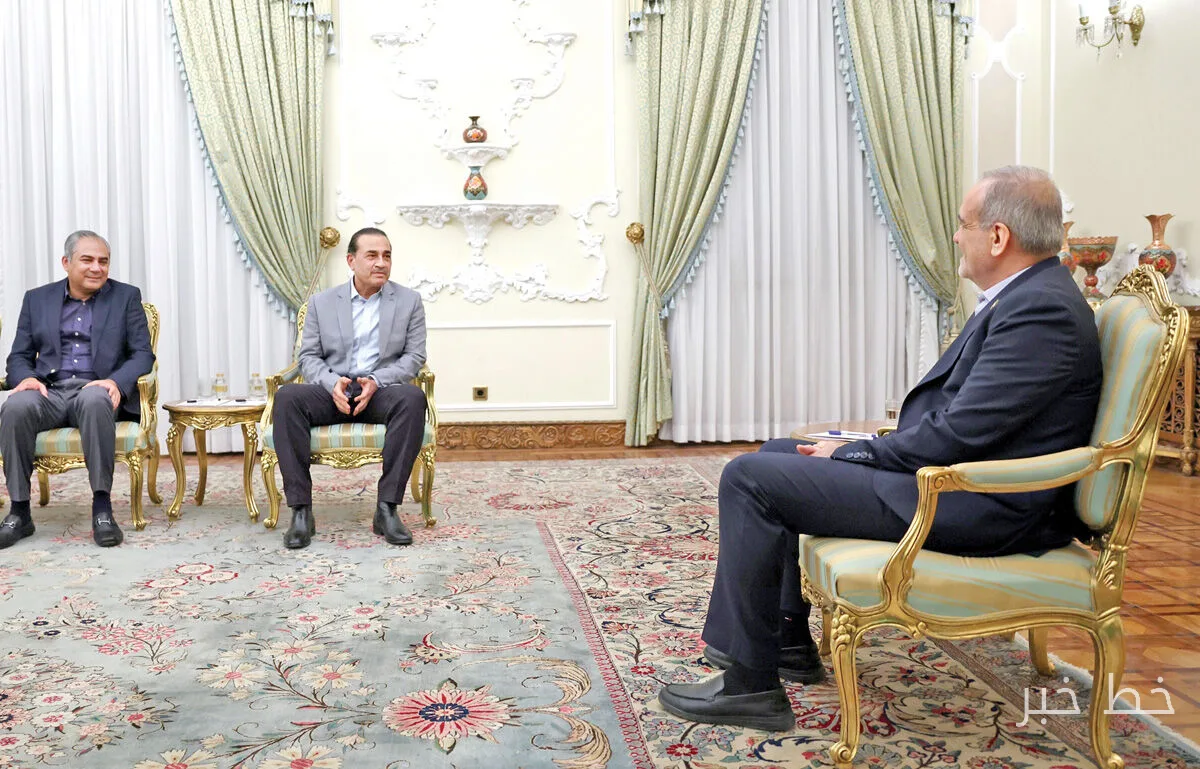
Tehran briefly hosted two significant figures in regional diplomacy; first, Sergey Lavrov, the Russian Foreign Minister, arrived on October 19, and then Asim Munir, the Chief of Army Staff of Pakistan, arrived on October 20, 2026, less than a day apart. This timing alone does not prove the existence of a coordinated agreement between Moscow and Islamabad, but in a context where negotiations between Tehran and Washington are facing deep mistrust and disagreements over the Strait of Hormuz, sanctions, and the nuclear issue, it holds special political significance.
Common Diplomatic Message
The common message of these visits is clear: the diplomatic channel is still open, and various actors are trying to find a way to halt the cycle of escalating crises before tensions turn into a new phase of military confrontation. However, there is a significant gap between the activity of communication channels and the proximity of an agreement. Four pathways and one shared crisis—Pakistan, Oman, Qatar, and Russia—are each playing a role in the process of contacts and efforts to reduce tensions between Iran and the United States; although their levels of participation, tools of influence, and priorities are not the same.
The Role of Mediation by Pakistan and Oman
In recent months, Pakistan has become one of the main communication channels between Tehran and Washington. Asim Munir's visit, considering his position in Pakistan's power structure and his previous contacts with Iranian officials, could be a sign of efforts to maintain direct communication and convey the views of both sides. Topics such as reducing tensions, reopening the Strait of Hormuz, and ending conflicts have also been raised in reports regarding Islamabad's mediatory mission.
Oman, with its long history of mediation between Iran and the United States, remains one of the important negotiation pathways, especially regarding arrangements for the Strait of Hormuz. Muscat is not merely a host for discussions; its experience with separate contacts with Iranian and American delegations has turned it into a channel for conveying proposals and assessing the possibility of an agreement.
Alongside this, Russia has also added a new layer to the efforts with Lavrov's visit to Tehran. Moscow simultaneously maintains its strategic relations with Tehran and engages with Gulf Arab states regarding the implications of the crisis; a position that could be useful for conveying views and shaping diplomatic initiatives.
A temporary agreement may be difficult under these circumstances, but efforts to prevent the last windows of diplomacy from closing are of high importance.