The White House relies on existing laws for the regulation and accountability of artificial intelligence developers. In an era of unpredictable artificial intelligence, the United States government is trying to use existing criminal and civil laws to address the challenges associated with this technology. This action comes at a time when many legal experts have expressed doubts about the effectiveness of these laws.
Legal Challenges in the Age of Artificial Intelligence
With the increasing use of artificial intelligence in various industries, concerns about the legal and ethical implications of this technology have also grown. Artificial intelligence developers may face serious challenges regarding legal accountability. For example, if an artificial intelligence system causes financial or physical harm due to incorrect decision-making, many questions arise about who should be held accountable for this harm.
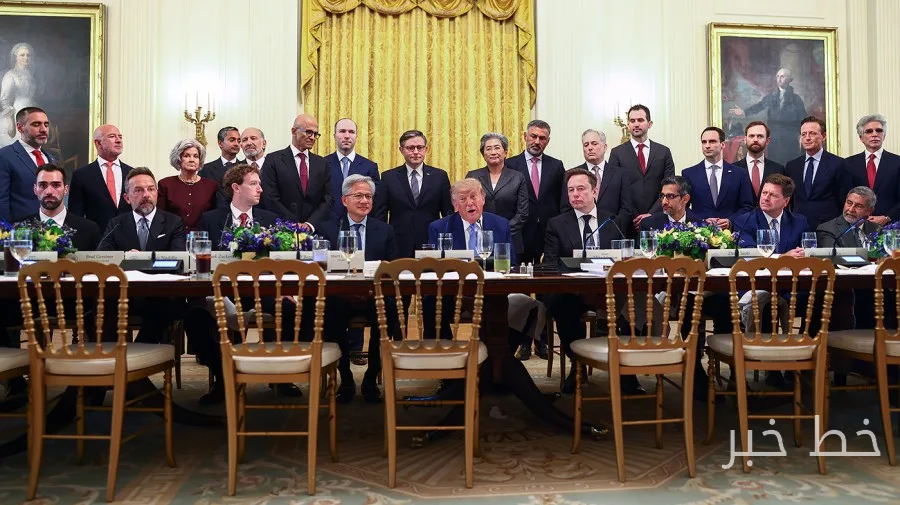
The Trump administration has concluded that existing laws can serve as a tool for regulating this new technology. While some government officials believe these laws can effectively control the performance of artificial intelligence, legal experts point out the limitations of these laws. According to them, many existing laws were designed for previous conditions and technologies and may not adequately cover new challenges.
The Future of Artificial Intelligence Regulation
Given the rapid growth of artificial intelligence technology and the swift changes in this field, there is a need to create new and updated legal frameworks. Experts suggest that the government should focus on drafting new laws specifically designed for artificial intelligence instead of relying on old laws. These laws should be structured to support technological innovations while also protecting public rights and interests.
Ultimately, this requires close collaboration between the government, technology developers, and legal experts. Only in this way can a legal model be achieved that both facilitates technological advancement and prevents its negative consequences.