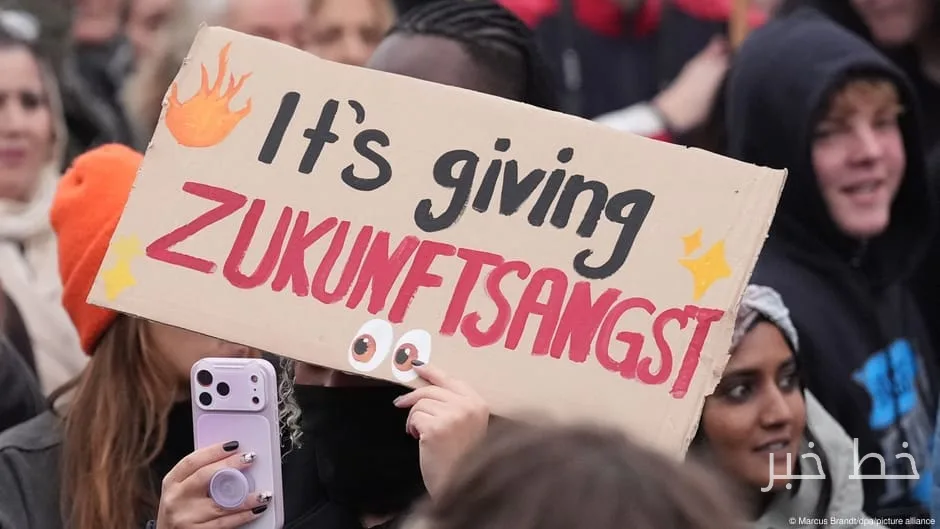
Young people in Germany and Europe have taken to the streets to express their concerns about the future. Generation Z faces challenges that are different from those of the Baby Boomers in the 1990s.
Challenges of Generation Z
Simon Schentzer, a youth researcher, points out in his recent study that today's youth feel that living and working conditions are more difficult for them than for previous generations and that they need support. He asks, "Have we provided young people with the conditions they need to live and work with confidence?" and his answer to this question is negative.
Read more: The Impact of Graham's Sanctions on the Russian Economy and Peace Negotiations
Statistics and Facts
Statistics show that fewer young people have to support a growing number of retirees. In 1957, there were 3.73 workers for every retiree, but this figure is expected to drop to 2.1 by 2025 and is projected to reach 1.73 by 2045. This change will put more pressure on the pension system.
Additionally, the number of retirees needing government financial support has increased from 257,000 in 2003 to 738,000 in 2024. This indicates an economic crisis for future generations.
Rising Cost of Living
The increase in rent has particularly negatively impacted low-income families. The share of income that these families spend on rent has risen from 24% in 1990 to 36% in 2021. This issue indicates a housing crisis for the youth generation.
However, Baby Boomers can help alleviate pressure on the housing market. They currently own about 4.8 million homes and apartments, which may be offered to the housing market through sales or transfers to the next generation.
Education and Climate Change
Public education costs for individuals under 30 have doubled since 2011, reaching around 8,000 euros per year. However, Germany still ranks average compared to other countries and faces a shortage of teachers.
Climate change is also a serious challenge for the youth generation. Today's children are expected to face more extreme heat in the future compared to the Baby Boomers. This poses dangerous consequences for public health.
Schentzer emphasizes that young and old generations must work together to address these challenges. He suggests that both generations should take to the streets and take action to improve their living and working conditions.
Read more: Basnat: The Treasury Department was under pressure to blacklist Megaspeed · Revelations of sexual harassment in Bundeswehr create serious challenges for military women



