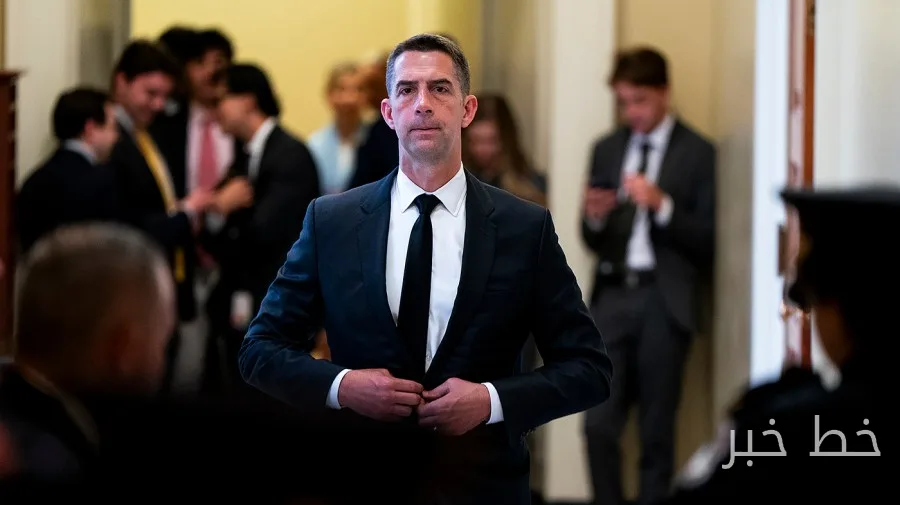
Tom Cotton, a Republican senator from Arkansas and the third-ranking Republican leader in the Senate, has warned the White House to abandon its request to add language to the year-end funding agreement. He described this request as an attempt to keep hemp products derived from marijuana on the shelves of gas stations until 2027.
Concerns About Public Health
Cotton has stated that this action could lead to the proliferation of harmful and psychoactive products among youth and families. He has explicitly stated that the current administration should focus on other issues such as safety and public health instead of trying to legalize these types of products.
Economic and Social Consequences
This senator has also pointed out the economic and social consequences of this decision, stating that keeping hemp products in stores could lead to increased drug consumption and social harms. He emphasized that the government must take decisive actions to protect future generations.
According to Cotton, this request from the White House not only negatively impacts public health but could also lead to a decrease in public trust in government institutions. He has urged his colleagues in the Senate to pay attention to this issue and focus on the health of the community.
Response from the White House and Other Senators
Currently, there has been no official response from the White House to Cotton's warning. Meanwhile, some other senators have also expressed concern about this request and called for a more thorough examination of its consequences.
As this discussion continues, it is expected that meetings will be held in the coming days to examine this request and its impacts on society and the economy. Cotton and his supporters hope that these concerns will be taken into account in future decisions by government institutions to prevent potential dangers.