The United States government, led by Donald Trump, announced that the trade agreement with India is nearing its final stage and will soon be signed. This agreement, which has been under negotiation for over a year, could be different from previous agreements between the two countries.
Trump's Statements on the Trade Agreement
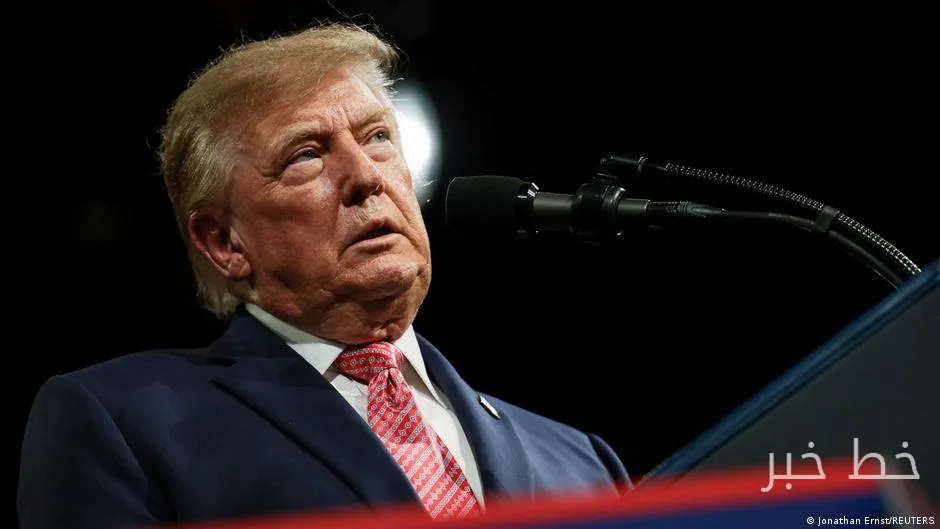
The United States government, led by Trump, announced on Tuesday that the trade agreement between Washington and New Delhi is nearing its final stage. Trump stated: "They want to make a deal. We will make a deal. Yes, we are very close." These remarks were made during a press conference at the White House.
These statements come as Marco Rubio, the United States Secretary of State, is currently on a two-day visit to India. This visit is seen as an effort to repair relations between the two countries amid recent tensions over visa restrictions and tariff threats.
Rubio's Meeting with India's Foreign Minister
On Tuesday, Rubio met with Subrahmanyam Jaishankar, India's Foreign Minister, and various topics including trade, defense, technology, and energy security were discussed in this meeting. Rubio emphasized that the trade agreement between India and the United States is "very close" and added: "We are very close. In my opinion, we are weeks away from finalizing this agreement, not months. 99 percent of the work is done, and only one percent remains."
Rubio also referred to his visit to the world's largest oil refinery in Gujarat, owned by billionaire Mukesh Ambani. This visit highlights the importance of trade and economic cooperation between the two countries.
Concerns Regarding Protests
Meanwhile, the United Nations has taken note of the crackdown on protests in India and has urged the country's authorities to stop the use of "excessive force" against unarmed protesters. This issue is seen as a challenge for the Indian government and may impact the trade negotiations.
Given recent developments, it seems that the trade agreement between India and the United States could be finalized in the near future. However, existing challenges still require attention and resolution.