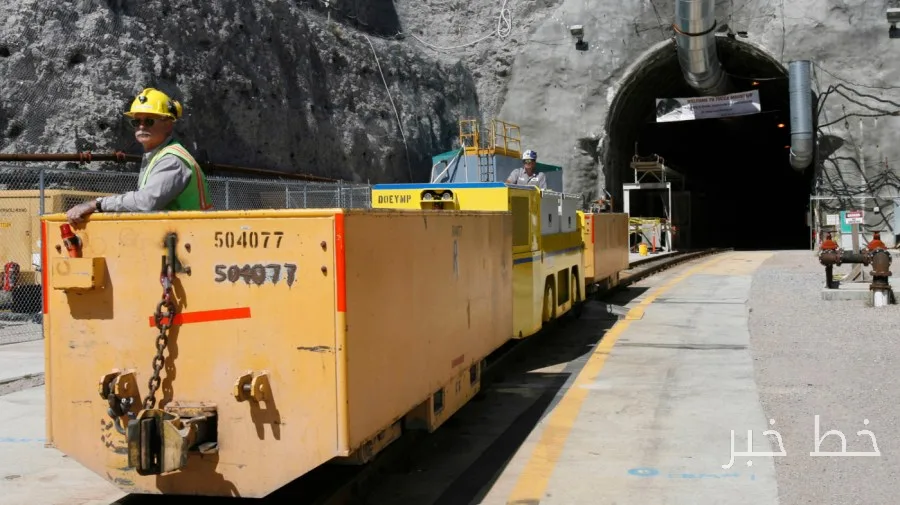
The Trump administration has introduced nuclear job programs as part of its strategy to revive the nuclear energy industry. This program, which specifically focuses on creating new job opportunities in this field, is nearing the implementation stage after nearly 10 months. However, the existing realities in this area seem to have impacted these promises.
Challenges Ahead
Despite initial efforts to develop nuclear infrastructure and attract new investments, issues such as a shortage of skilled labor and lack of necessary agreements with governmental and private entities remain prevalent. These challenges not only affect the job creation process but could also impact the development of nuclear technologies.
Read more: Zohra N. Mamdani Critiques the Use of Prediction Markets
Economic Implications
The Trump administration's programs in nuclear energy could have widespread economic implications. On one hand, creating new jobs could help reduce the unemployment rate, but on the other hand, failure in this area may lead to increased public dissatisfaction and criticism of the government. Additionally, issues such as inability to finance projects and legal complexities may disrupt the progress.
Ultimately, the nuclear job programs as part of the comprehensive energy strategy of the Trump administration face challenges that require real and practical solutions. Will the government be able to overcome these challenges and fulfill its promises? This is a question that will soon be answered.
Read more: Chuck Todd Suggests Democrats Reduce Living Costs with Tariffs · Stock Market Has Significantly Declined Despite Public Offering of Anthropic



