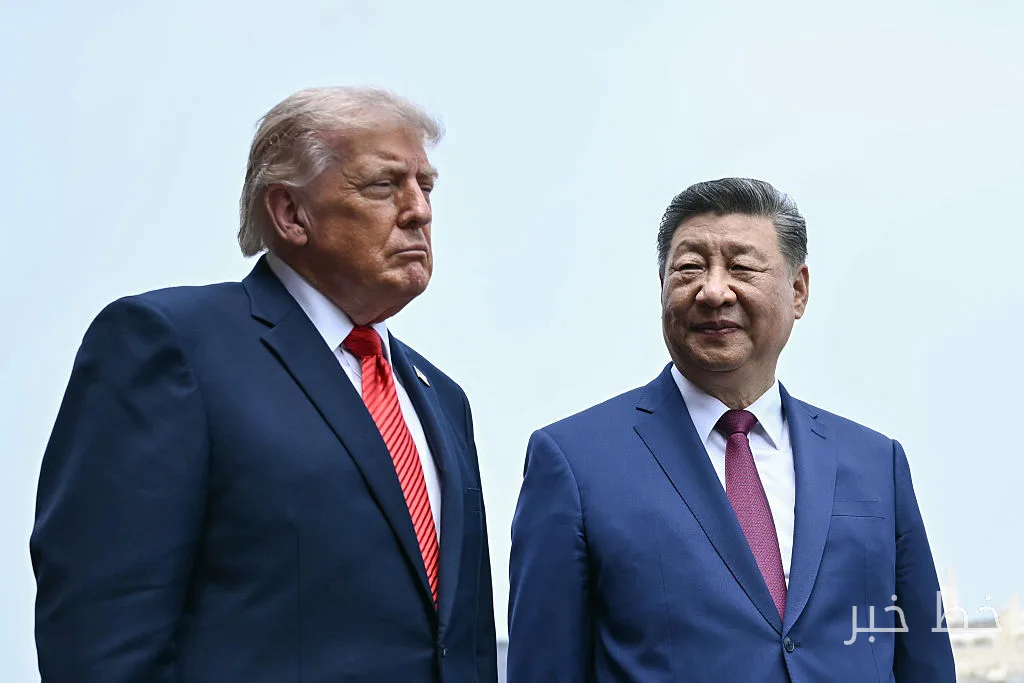
The Chinese government and the United States are on the verge of an important meeting on September 24, 2023, where Xi Jinping, the President of China, and Donald Trump, the former President of the United States, will negotiate on the topic of artificial intelligence. This meeting comes as Xi Jinping has focused heavily on the issue of artificial intelligence, presenting it as his number one priority.
The Impact of Political Tensions on Negotiations
During his visit to Beijing in May, Xi Jinping warned Trump about arms sales to Taiwan and emphasized that existing tensions could lead to larger conflicts. In response, Trump delayed a $14 billion arms package for Taiwan, viewing it as a "negotiation stick." This stance came while no real reduction in China's military pressure was observed.
Despite the existing concerns in Taiwan, many countries hope that Xi can reach agreements on artificial intelligence. Wang Yiwei, director of the Institute of International Affairs at Renmin University of China, pointed out the importance of artificial intelligence in the negotiations, stating, "Taiwan is no longer a priority; the priority is definitely artificial intelligence."
Challenges of Artificial Intelligence and the Need for Cooperation
Recently, warnings from researchers and reports about the dangers of unchecked artificial intelligence development have emerged. Dario Amodei, CEO of Anthropic, highlighted the necessity of establishing safety standards and global cooperation to slow down the dangerous development of artificial intelligence in an article. Meanwhile, Trump has viewed this issue with skepticism on his social media, calling it a "handmade issue."
China has seriously regulated artificial intelligence and imposed strict laws on it. Xi Jinping has also called for the establishment of legal, technical, and ethical frameworks to control artificial intelligence. He emphasized at the Global Artificial Intelligence Conference in Shanghai on July 17 that awareness of risks must be strengthened and it must be ensured that artificial intelligence is safe and controllable.
Hopes for an agreement on artificial intelligence come as both countries seek to reduce the risks associated with computational errors in defense and nuclear command systems. Trump enters this meeting under pressure from high energy prices and electoral discontent, seeking to achieve a victory.
At the same time, China's motivations also need careful examination. China's Minister of State Security, Chen Yixin, recently pointed out the political and security risks posed by artificial intelligence in an article, emphasizing that the Communist Party of China cannot allow artificial intelligence to behave in a way that leads to a loss of control.