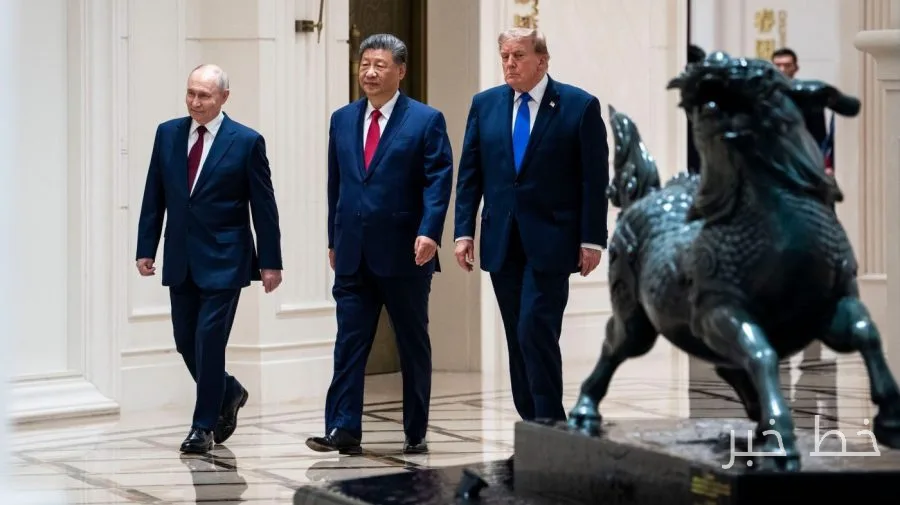
Donald Trump's administration, in its recent meeting with Xi Jinping and Vladimir Putin, referred to the commitments of the two countries to dialogue on nuclear threats. This meeting, which lacked tangible achievements, prompted Trump to emphasize these agreements as a key outcome.
China's and Russia's nuclear commitments
In this meeting, Trump stressed the importance of cooperation with China and Russia to reduce nuclear threats. He stated that these countries are seeking to create a diplomatic space for discussions on nuclear arms control. Although these commitments are viewed as a positive development, it seems that these claims contradict geopolitical realities.
Read more: Hakeem Jeffries faces new challenges for the large Democratic majority
Geopolitical challenges and imbalance
The reality is that China, in particular, appears to be very determined and inflexible in its military and weapons strategies. This country continues to expand its influence in the Asia region while also developing its nuclear weapons. On the other hand, Russia is also trying to increase its military power and act as a key player in international crises.
This situation indicates that while diplomatic talks can be beneficial, the existing realities on the ground can significantly impact the outcomes of these negotiations. Furthermore, the international community must remain vigilant regarding these issues and require closer monitoring and assessment of the actions of these countries.
Ultimately, although Trump emphasizes China's and Russia's commitments as a political victory, it seems that these agreements are merely an unrealistic optimism until practical and serious actions are taken towards nuclear arms control.
Read more: Jordan G. G. Wright explained the conspiracy theory of the 'lizard people' · The European Union imposed a new sanctions package against Russia



