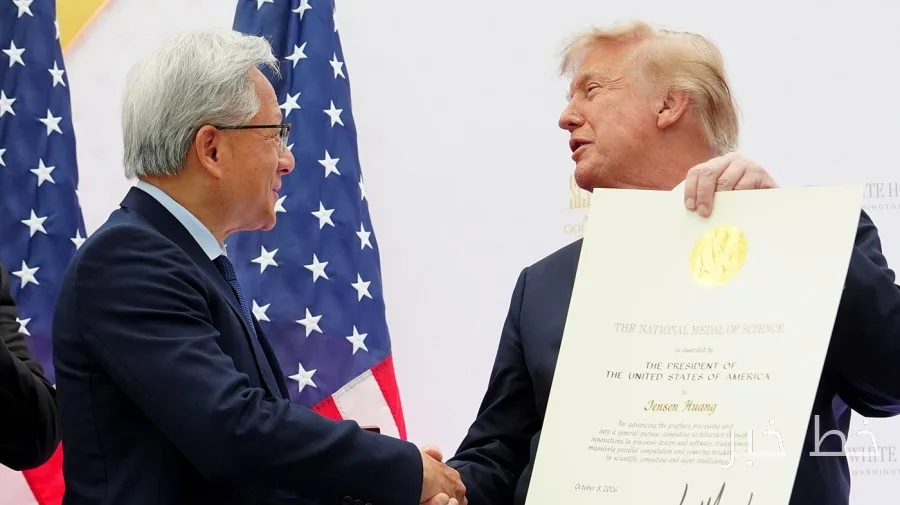
On Tuesday, Trump announced the Pentagon's $1.5 billion investment to expand semiconductor chip production in North Carolina. This investment aims to strengthen the semiconductor industry in the United States and reduce dependence on foreign production.
Investment Details
In his speech, Trump said: "The Department of Defense will invest $1.5 billion in semiconductor chip production in North Carolina." This investment is part of the government's broader efforts to bring manufacturing back to the United States and strengthen the domestic supply chain. He also highlighted the importance of this investment in enhancing the country's national and economic security.
Read more: Google Cloud disruptions affected banks and logistics companies in Britain
Impact on the Semiconductor Industry
The semiconductor industry is a key sector in modern technology, playing a significant role in the production of electronic products and electric vehicles. Given the chip shortage that has emerged in recent years, especially during the COVID-19 pandemic, this investment could help improve the production and supply of chips in the United States.
This move also means the creation of new jobs in North Carolina and increased competition in the global market. Trump emphasized that this investment will help strengthen the country's technology infrastructure and innovation.
Long-term Goals
The Trump administration is striving to revive the American industry through such investments, reduce dependence on foreign production, and achieve self-sufficiency in meeting technological needs. According to Trump, this initiative is part of a larger strategy to strengthen the economy and national security of the United States.
Given the increasing importance of semiconductor technologies in everyday life, this investment could be seen as a significant step towards ensuring the technological superiority of the United States in the future.
Read more: Meta apologizes for suspending the Instagram account 'No Kings' due to increased bot traffic · Trump administration launches national kidney care program