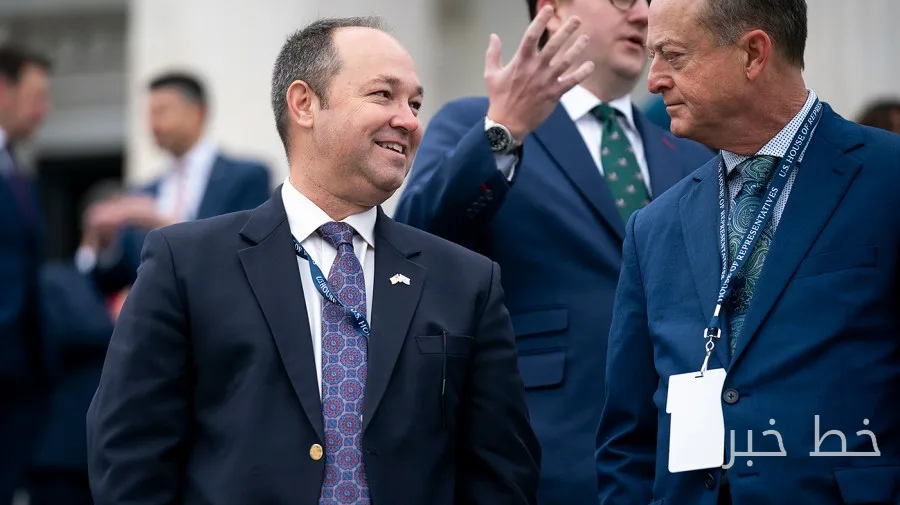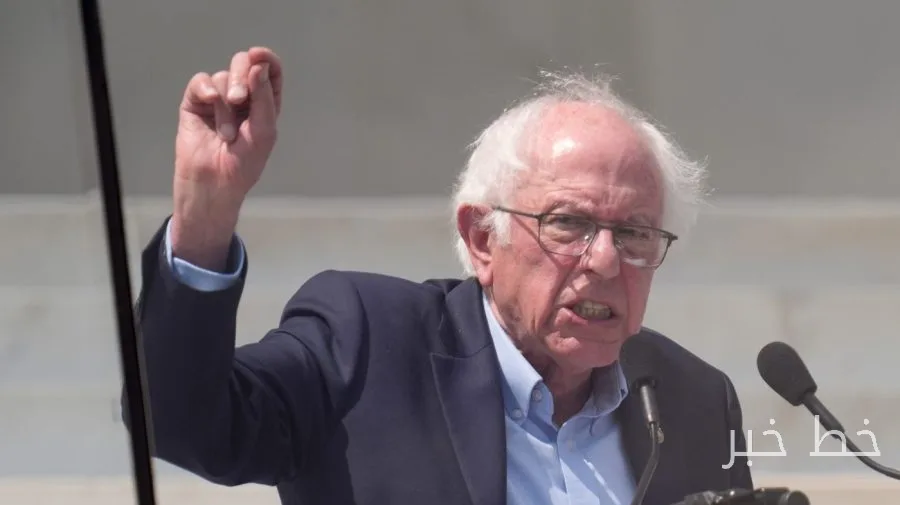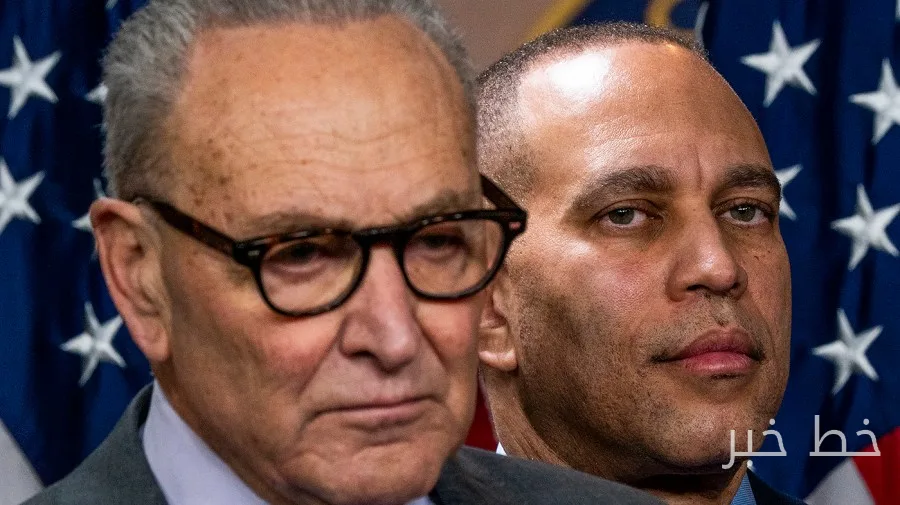
The U.S. government led by Joe Biden seems to assume that the defeat of an elderly man in elections is straightforward, but the recent election results in Brazil and Israel show that this assumption is not always correct. In Brazil, a decisive majority of voters elected leftist President Luiz Inácio Lula da Silva for a fourth term on Sunday, while in Tuesday's Israeli elections, Benjamin Netanyahu, the longest-serving prime minister in his country's history, despite losing his parliamentary majority, prevented his rivals from forming a governable coalition.
Political Lessons from Lula and Netanyahu
Lula, 81, and Netanyahu, 77, may differ politically in many aspects, but both have managed to dominate their countries for over a generation. With the loyal support of voters from the left and right, they are recognized as relentless champions of their interests and have been able to challenge their electoral rivals.
Read more: Change in Arab-American Voter Trends Towards Democrats
Trump, who had achieved some of these traits in previous terms, now faces electoral challenges. As a presidential candidate in 2025, he has failed to deliver tangible political victories for voters and has lost some of the key aspects of his political identity that shaped his grassroots support.
Trump's Electoral Challenges
Trump is entering the 2024 elections with promises such as controlling inflation and opposing unnecessary wars. However, his key actions during this period, including the passage of the "A Beautiful Big Bill" and the initiation of a global trade war, have led to increased living costs for the people. His ultimate message in the midterm elections is that the Democrats are crazy, but in reality, there is no compelling logical thread in his campaign speeches.
In contrast to what voters in Brazil and Israel have heard, Lula and Netanyahu have consistently focused on the political coalitions they have formed over decades. Lula offered new economic promises to his base considering regional and class divisions and increased welfare payments. Meanwhile, Netanyahu continued to shape political coalitions to his advantage with polarizing messages.
If Trump had approached the midterm elections with a focus and strength similar to that of Lula and Netanyahu, he might still be an unpopular president, but he could have garnered more support from the red states that control the Senate.
Read more: Jim Himes Considered Using Ballots Essential to Prevent Election Hacking · Brazil is an Unpleasant but Necessary Trading Partner