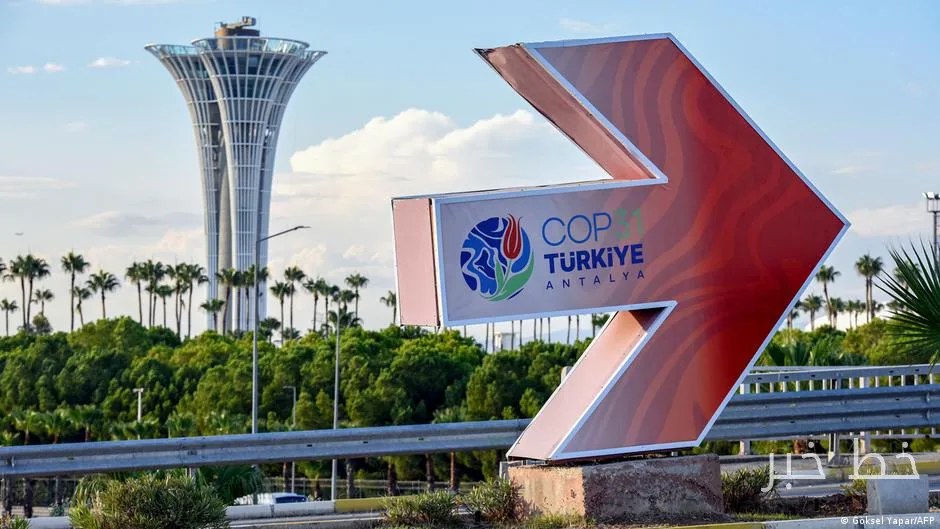
Turkey, as the host of the 31st United Nations Climate Change Conference (COP31) from November 9 to 20 in Antalya, brings together representatives from nearly all countries in the world to explore solutions to the climate crisis. In this event, Recep Tayyip Erdoğan, the President of Turkey, and his wife Emine Erdoğan will express their views on climate change, with the President's wife describing climate change as one of the most visible consequences of human impact on the Earth.
Serious Climate Challenges Worldwide
Last winter in Europe was marked by severe drought, unprecedented heat, wildfires, and low water levels in the continent's major rivers. Additionally, last August, sudden floods caused by rock and ice falls in Nepal and Tibet devastated dozens of villages, resulting in over 1,400 fatalities. Climate experts link this disaster to melting ice and global warming.
Despite these challenges, carbon emissions continue to rise. The United Nations has concluded that we can no longer keep global temperatures to a maximum of 1.5 degrees Celsius above pre-industrial levels, a target agreed upon at COP21 in 2015.
Efforts to Transition to Clean Energy
In Antalya, the focus will be on the global transition from polluting fossil fuels such as coal, oil, and gas. However, to date, no agreement has been reached on how and at what pace this transition should occur. David Victor, a climate expert from the University of California, San Diego, noted that before the Paris Agreement in 2015, the world was on track for a temperature increase of 3 to 3.5 degrees Celsius.
If current climate commitments are fully implemented, new UN forecasts suggest that the temperature increase could reach up to 2.6 degrees Celsius. Although this is a significant improvement, it will still have global consequences.
The challenges at COP31 include wars, trade tensions, and economic issues that could undermine agreements at this meeting. Instead, Victor pointed out that there is a greater likelihood of positive changes in what he called "clubs"; these clubs consist of smaller coalitions of governments and companies seeking real solutions to climate problems.
For example, the International Conference on the Transition from Fossil Fuels was held last April in Colombia, attended by representatives from 57 countries and key sectors to explore ways to transition from coal, oil, and gas.
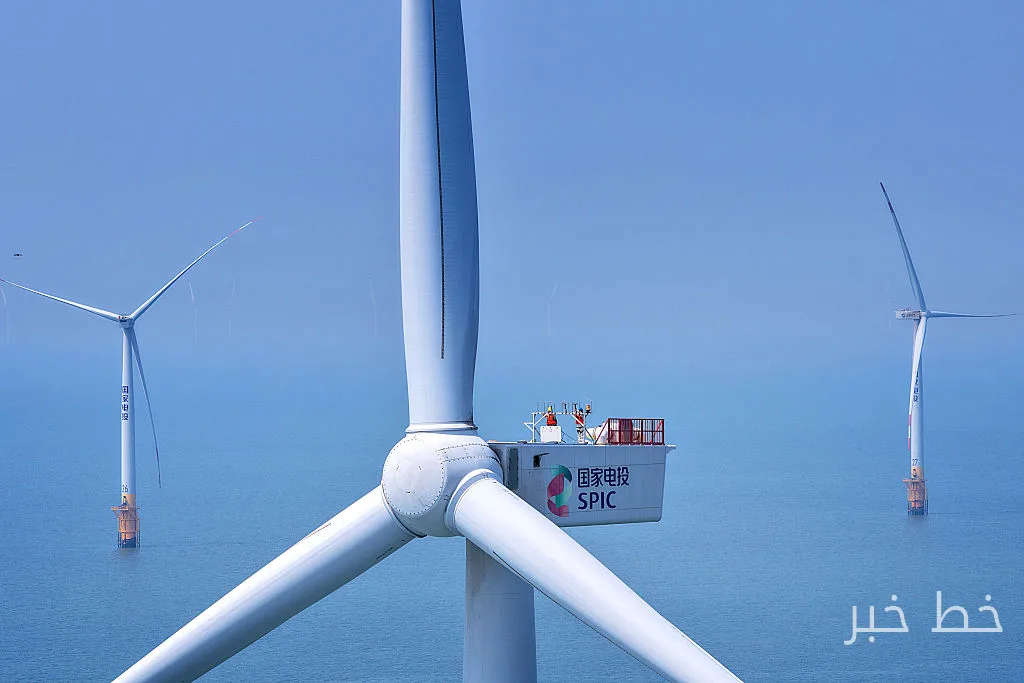
Turkey and Australia, as hosts of COP31, have pointed to increasing the share of electricity in global energy consumption to 35 percent by 2035, up from about 20 percent today. Recent analyses by the International Energy Agency indicate that accelerating electrification could reduce energy costs for fuel-importing countries by over $400 billion.
Germany's Environment Minister, Carsten Schneider, has announced that Germany and the European Union want to create new incentives for a global exit from fossil fuels. This move will not only benefit the climate but also provide an opportunity for many countries to strengthen their economies and reduce dependence on energy imports.
However, oil-producing countries like Saudi Arabia are reluctant to enter into agreements that would undermine their business model. China, despite expanding wind and solar energy, traditionally rejects any external requests regarding its national energy policy.