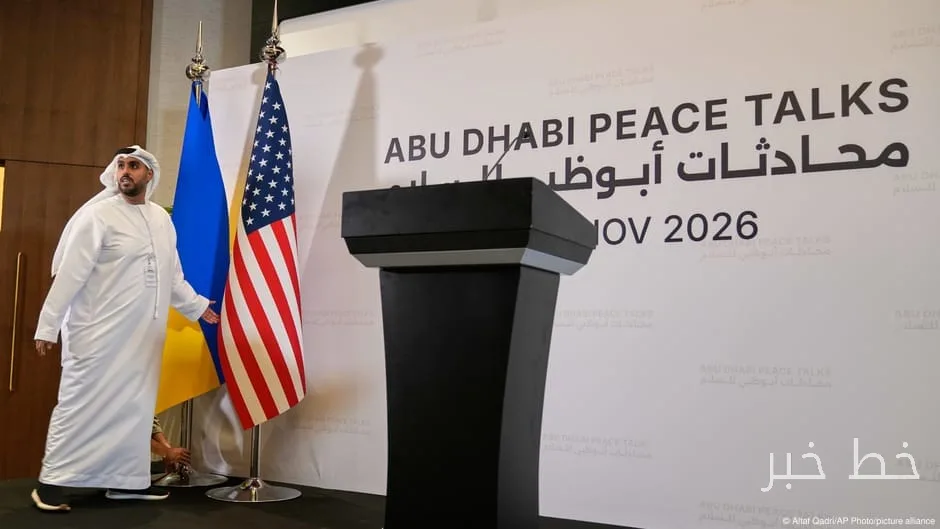
The two-day negotiations between representatives of Ukraine, the United States, and Russia in Abu Dhabi on November 10 and 11 ended without reaching a ceasefire agreement. The main outcome of these negotiations was an agreement on prisoner exchange.
Agreement on Prisoner Exchange
Jared Kushner, the U.S. representative, announced after the negotiations: "We have agreed on the largest humanitarian release of prisoners, and we will finalize the numbers tomorrow." U.S. representatives Kushner and Steven Witkoff traveled to Moscow on Thursday to meet with Vladimir Putin, the President of Russia.
Vladimir Zelensky, the President of Ukraine, had previously proposed a "1000 for 1000" or "1500 for 1500" prisoner exchange. Russia announced that a large prisoner exchange with Ukraine could take place in the next two to three weeks.
Security Discussions and Their Implications
Zelensky wrote in his Telegram message that the parties discussed security guarantees and emphasized: "The first step must be to end this war and guarantee Ukraine's security." He also stressed the need for European involvement in "every stage of real diplomacy."
Experts believe that the main outcome of these negotiations is humanitarian. Artem Bronzhukov from the Ukrainian think tank Politika said: "The agreement on prisoner exchange is a significant step forward." Pavel Lakichuk from the Center for Global Strategy XXI also assessed it as a "very tangible outcome" and stated: "Bringing our people back is a major success. That is why continuing negotiations is valuable."
He also added that a real breakthrough would be the release of civilian detainees from occupied territories since 2014, especially those from Crimea, who have been held in Russian prisons for years.
David Arakhamia, head of the parliamentary faction "Servant of the People" and Ukraine's representative in the Abu Dhabi negotiations, gave a positive assessment of these trilateral negotiations with the USA and expressed hope that an agreement would be reached by the end of the year.
Yuliya Smolenska from the Kyiv office of the international think tank GLOBSEC warned against positive assessments of the negotiations from Washington and Kyiv, stating: "Diplomats participating in the negotiations never say that everything has gone badly and that they have no expectations. Even when no results are achieved, they will still emphasize the positive structure of the negotiations."
She believes this situation arises because neither side is "ready" for real negotiations. In particular, Russia still does not want to accept that its goals are not achievable through military means.
Artem Bronzhukov views the negotiations as a way for Moscow to buy time. He said: "The meetings of the Russian delegation, especially under the leadership of Vladimir Medinsky, are merely an attempt to lull and provide empty promises to the U.S. government to continue receiving so-called goodwill gestures from Washington, such as lifting sanctions on Russian diesel."
Before the negotiations, several Western media outlets reported on new U.S. proposals regarding disputed areas. For example, The Economist published a report on a proposal to change the administrative borders of the Donetsk and Luhansk regions. However, a member of the Ukrainian delegation emphasized that there had never been a discussion about surrendering occupied territories by Russia.
Kyrilo Budanov, a member of the negotiating team and head of the President of Ukraine's office, refrained from commenting on whether Russia used the negotiations to request the withdrawal of Ukrainian forces from Donbas. He said: "The issues discussed in the negotiations are negotiable topics. The only thing that matters is the outcome. When we reach it, it will be published."
The head of the Russian delegation, Vladimir Medinsky, took a different tone and stated: "Every inch of our land will return to Russia one way or another." He made this remark in response to European media reports that Ukraine had rejected territorial concessions.
Aside from the Crimean Peninsula, which was annexed in 2014, Vladimir Putin has declared all four Ukrainian regions of Donetsk, Luhansk, Zaporizhzhia, and Kherson as Russian territory, although Russia does not have full military control over them.
Artem Bronzhukov says: "Putin is not fighting for villages and war ruins in Donbas. He is fighting for geopolitical influence and trying to exploit the collapse of the old global order."
This expert from the Politika think tank reminds that Ukraine had previously requested that its forces withdraw from parts of Donbas that it controls by early 2026 and turn the area into a free economic zone. Such a zone "would very quickly turn into a territory under Russian control."
Pavel Lakichuk is skeptical about the idea of changing administrative borders and asks: "Why would Putin stop here?" In his view, American negotiators are trying to extract unilateral concessions from Ukraine without asking anything in return from Russia.
Yuliya Smolenska describes this proposal as "very fundamental," but states that it poses risks for Ukraine's leadership. Even if the Ukrainian delegation agrees to it, which she doubts, this decision must be explained to the public.