The U.S. midterm elections on Tuesday could be one of the most important votes in the contemporary history of the country, as Washington's relations with Israel and its war with Iran are at the center of this political tension.
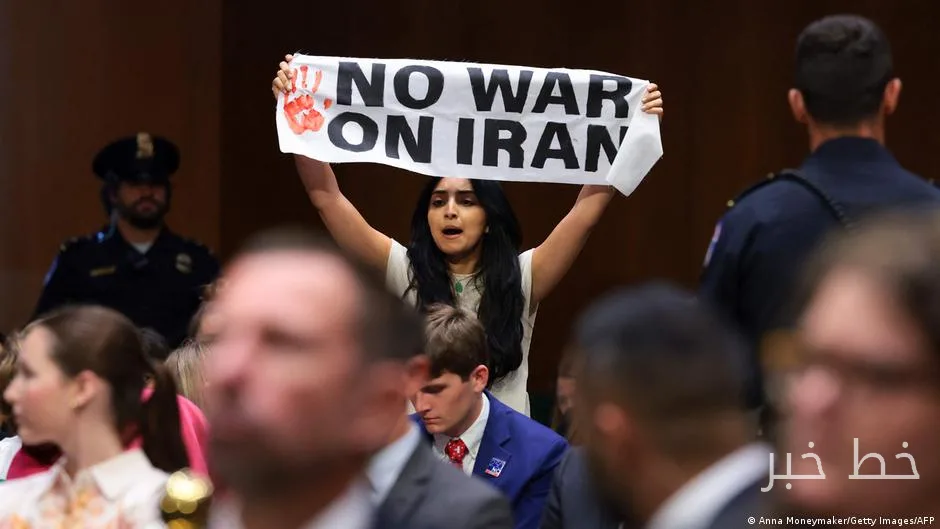
Democrats' Criticism of the Iran War
Many Democrats, including emerging figures of the party like Abdul Al-Saeed, the Ohio Senate candidate, are strongly critical of the Iran war, with Al-Saeed describing it as "illegal" and "foolish."
Read more: Iran's Target Bank Without Geographical Restrictions to the Heart of Europe
Trump's Strategy and Pressure on the White House
The Donald Trump administration has tried to downplay the effects of the war during this campaign. Last week, he claimed that only "one or two targets" in Iran remain and that these issues could be resolved in 10 minutes. However, he also indicated that messages are still being exchanged and Tehran has shown interest in an agreement.
At the same time, reports suggest that the United States and Israel are preparing to launch a new round of attacks on Iran immediately after the midterm elections, and Republican war supporters, such as Senator Ted Cruz, have increased pressure on the White House to confront Iran's "threat."
Bipartisan Agreement and Domestic Challenges
Analysts warn that Washington's political elites may not be as divided on Iran as it seems. John Bolton, former National Security Advisor, believes that the Democrats will likely gain a majority in the House of Representatives and possibly in the Senate, giving them control over the Iran war budget.
However, Bolton emphasizes that the U.S. President can veto congressional laws, and a two-thirds majority in both chambers is needed to override this veto. He also points to a kind of "bipartisan consensus" against the Islamic Republic.
Diplomatic Challenges and Future Implications
Iran is currently continuing indirect communications through Doha and Muscat while seeking to maintain its diplomatic options. Shahrokh Madarsh, an international security analyst, believes that Iran's strategy of dragging out peace negotiations may backfire after the elections.
Bolton also notes that Trump's decision regarding his future actions concerning Iran is likely to be made after the elections and when political pressure decreases.
Read more: Vice President Vance Supported Republicans in New York and Ohio · Haley Stevens Explained Reasons for Supporting Mike Rogers