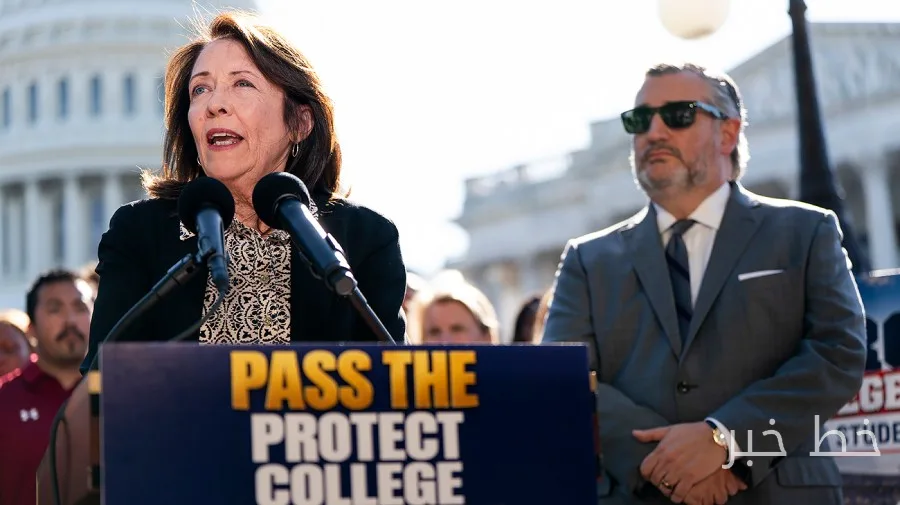
The U.S. Senate voted on Tuesday to advance the College Sports Protection Act. This law aims to establish national regulations for compensating student-athletes, limiting transfers and coaching changes mid-season, and setting a five-year eligibility period for athletes.
Details of the College Sports Protection Act
The College Sports Protection Act is designed to assist student-athletes and is expected to have significant impacts on the college sports industry. This law includes support for the NCAA, the governing body of college sports, against antitrust lawsuits and also establishes restrictions on revenue sharing.
Read more: Trump in Ireland: Meeting with Micheál Martin and Preparations for a Golf Tournament
Other reforms in this law include setting caps on athlete earnings and creating frameworks for student-athlete transfers. This way, college athletes can operate in a more legal and organized environment and enjoy better financial benefits.
Potential Implications of the New Law
The passage of this law could lead to major changes in the management of college sports. By establishing a legal framework, athletes can better defend their rights and create better conditions for their athletic activities.
This law could also increase competition among universities and athletic institutions, as each university must strive to attract and retain top athletes. However, these changes may also come with challenges, including increased pressures on student-athletes and coaches.
Overall, the College Sports Protection Act could mark a new era in American college sports and allow athletes to operate in a fairer and more transparent environment.
Read more: Lynn Kiffin Sparked Challenges for NCAA in College Football · U.S. Senate Examines Cryptocurrency Legislation Bill