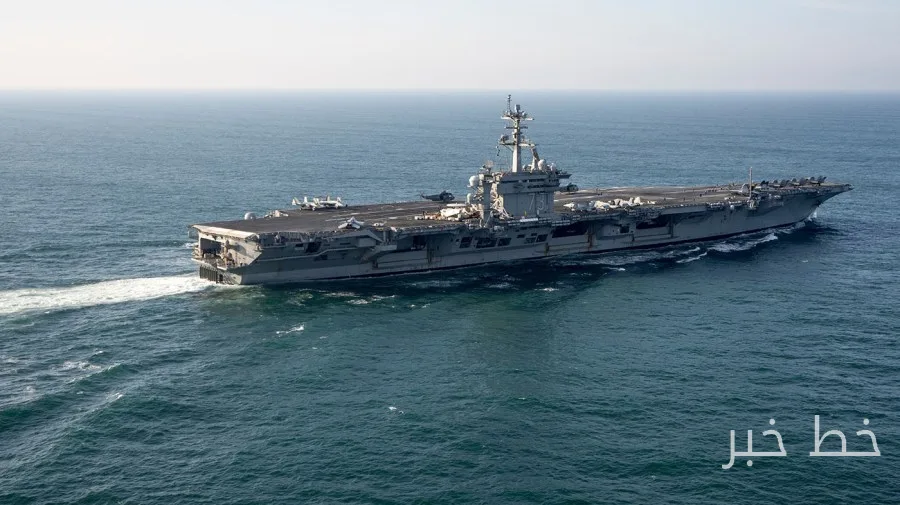
The USS George Washington, an aircraft carrier stationed in Japan, has left the Middle East, thus reducing the number of U.S. aircraft carriers in the Central Command (Centcom) region to two. This departure is part of the U.S. military strategy in the region, which involves periodic repositioning of its naval forces.
Continuing U.S. Military Presence
The departure of the USS George Washington comes as the United States remains committed to maintaining security and stability in the Middle East. The two other aircraft carriers currently in the region, named USS Abraham Lincoln and USS Dwight D. Eisenhower, will continue to patrol and conduct necessary operations. These ships act as part of the U.S. deterrence strategy against potential threats from countries like Iran and terrorist groups in the region.
Read more: Trump, Xi, and Putin's Quadruple Agreement for Peace After the Meeting in China
Implications of USS George Washington's Departure
The departure of the USS George Washington may have specific implications for the balance of power in the Middle East. Some analysts believe that this change in troop deployment could send a message to U.S. adversaries that the country is seeking to reduce military pressure in the region. On the other hand, the presence of the two other ships in the area indicates the U.S. intention to maintain military presence and support its regional partners.
While the United States continues to assess the security situation in the Middle East, it is also looking to strengthen its relationships with allied and regional partner countries. These relationships not only help bolster regional security but also enable the United States to closely monitor developments and respond more swiftly when necessary.
Read more: Danish Parliament Approves U.S.-Greenland Security Agreement · Seyed Abbas Araghchi Discussed Bilateral Relations with the Sultan of Oman