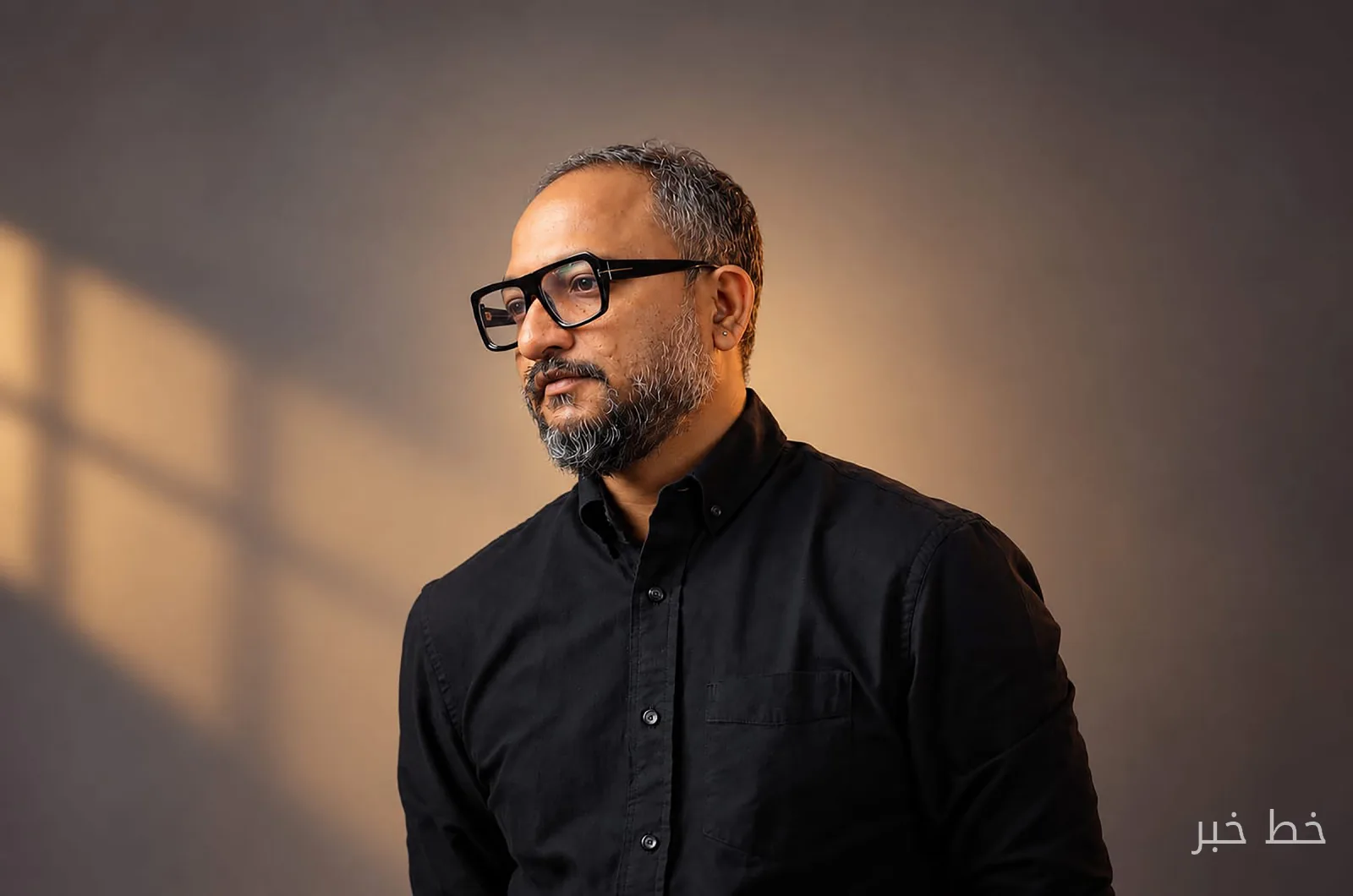
Vikrant Bhise shapes the spirit of the Indian Constitution led by B. R. Ambedkar using deep colors and the blue of the city. His works, with strong humanistic paintings, portray the energy and courage of the protesting body while also displaying the helplessness and anger of citizens fighting for their rights.
The brilliance of Dalit thought and collective efforts
Bhise, by referencing the radical works of Dalit thinkers who came before him, takes us to the neon-lit corners of the streets where ordinary men live. In his recent large-scale paintings, these ordinary men are depicted in forms of protest. After 79 years of independence, they are still fighting for their legal rights. They are present in the streets, shaping the future, and Bhise accompanies them on this path.
The role of art in articulating social protests
Bhise's art effectively represents the collective efforts that occur during social struggles. Using vibrant colors and diverse forms, he captures the deep emotions of his community. His works not only document these protests but also carry a profound meaning that reminds the viewer that these struggles continue for a better future.
Ultimately, Vikrant Bhise reminds us through his works that art can be a powerful tool for expressing grievances and social demands. With his paintings, he is the voice of those who stand against inequalities and shows us that every individual has a role in this struggle.