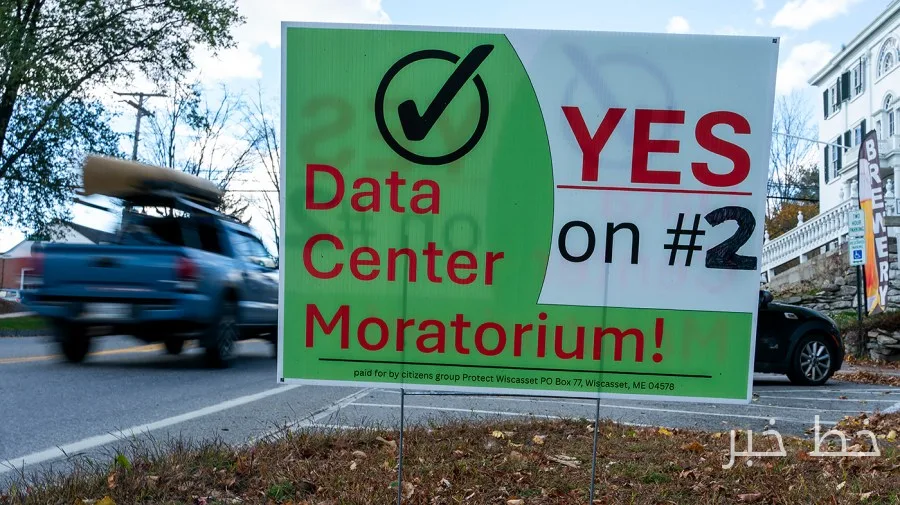
Data centers faced strong opposition from voters in the recent midterm elections in the United States. This opposition not only aided the Democrats' victory in key elections but also reflected public dissatisfaction with the impact of these centers on the environment and society.
Election Results and Their Implications
The elections on Tuesday showed that voters in many areas clearly opposed the construction of data centers. In specific areas where these centers were directly on the ballot, the results were heavily against them. This trend clearly indicates that local residents are aware of the economic, social, and environmental impacts of these centers and are calling for changes in the policies governing their development.
Opposition to Industry-Backed Candidates
In this election, voters also strongly rejected candidates supported by the data center industry. This action reflects a shift in the political and social priorities of the people. Many voters feel that public interests and environmental preservation should take precedence, and thus distanced themselves from candidates seeking to support the development of data centers.
The election results indicate that public opposition to data centers is becoming a key issue in local and national policies. This shift may lead to policy changes in the future and compel companies operating in this field to pay more attention to community demands. In fact, voters in this election demonstrated that they are seeking representatives who focus on improving quality of life and environmental preservation.
These developments signify a collective movement toward creating positive changes in data center development policies. Given the election results, it seems that the Democrats, as representatives of the changes desired by voters, are in a better position to advance these goals. The political and economic future of this sector heavily depends on social reactions and public opinions.