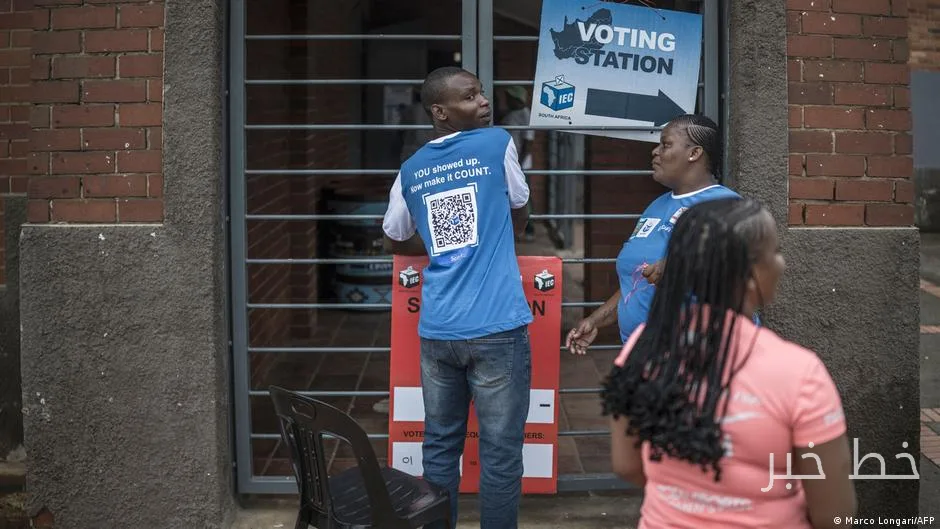
Voters in South Africa participated in local elections on Wednesday that could have serious consequences for the African National Congress (ANC). These elections are taking place as the ANC, which has been in power since the end of apartheid in the country, faces declining popularity.
Declining Popularity of the ANC
In the previous local elections in 2021, the ANC received less than 50 percent of the votes for the first time, and polls indicate that this figure may drop below 40 percent this time. These elections are seen as a benchmark for public sentiment ahead of the national elections in 2029 and will determine the fate of eight major cities and 44 regional municipalities.
Read more: Patricia Moore and Gab Firmant advance to the second round of the Fifth Louisiana House elections
Social Challenges and Issues
These elections are being held amid rising public discontent due to inefficient public services, including water and electricity issues, high crime rates, unemployment, and housing shortages. Concerns about undocumented immigration have also been clearly raised in some campaigns.
The city of Johannesburg, known as the economic hub of the country, is a vital battleground. The city is currently under the management of a weak ANC coalition, but polls indicate that the Democratic Alliance (DA), the second-largest party in South Africa, may receive the most votes in this election.
The DA has nominated Helen Zille, former national leader, as its candidate for the mayoralty of Johannesburg. The party is also expected to maintain control of the city of Cape Town. Other areas of interest include Tshwane, the location of the administrative capital Pretoria, and the port city of Durban, where the MK party, led by former President Jacob Zuma, poses a serious challenge.
Voters do not directly elect mayors; instead, they elect city council members who then choose mayors and form local governments. Despite the ANC still having a loyal supporter base due to its role in ending apartheid, an increasing number of South Africans are frustrated with issues such as high unemployment, power cuts, and water shortages.
Cyril Ramaphosa, the President, has emphasized that local failures have led to a decline in public trust in democratic governance, but he has also pointed to opportunities for change. These elections could lead to further declines in ANC popularity and the emergence of unstable coalition governments in some cities.
More than 29 million citizens have registered to vote, but in the previous local elections, less than half of them cast their votes. The polls close at 9 PM local time, and results will be announced on Sunday.
Read more: Greg Stanton wins in Texas District 35 elections · Troy Jackson defeated Senator Susan Collins in Maine