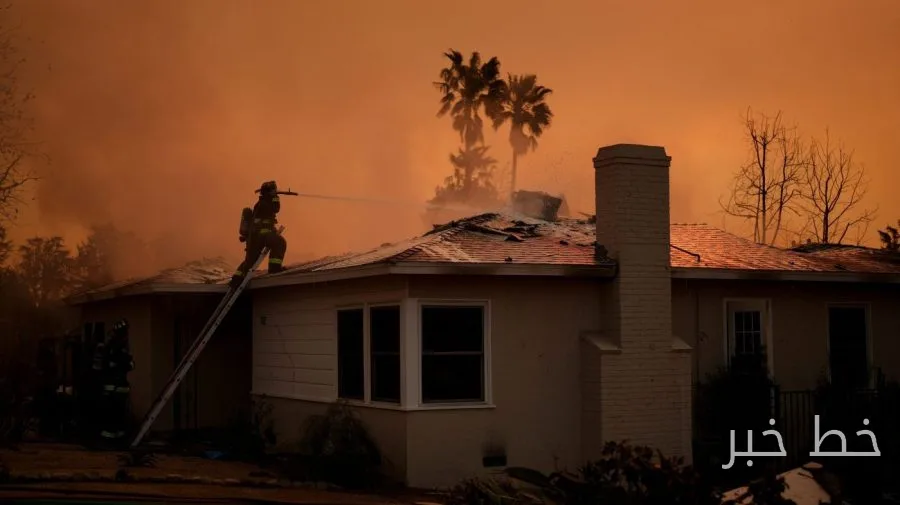
Wildfires in the United States are increasingly on the rise, seriously threatening the country's water resources. These fires not only lead to the destruction of natural ecosystems but also have negative effects on water sources used for drinking and agriculture.
Impact of Wildfires on Water Resources
As trees and plants burn due to wildfires, soil and groundwater become contaminated with chemicals and pollutants from the burning. This pollution can seep into rivers and streams, ultimately leading to a decline in drinking water quality. Many areas in the United States rely on these water sources, and therefore, the increase in wildfires can directly impact public health.
Duration of Pollution
New studies show that pollution from wildfires can remain in the environment for over a decade. This means that even after the fire is extinguished, its negative effects will continue. This reality can pose a serious threat to communities and the environment, increasing the need for prompt and effective action.
In this regard, experts recommend that governments and local authorities engage in more comprehensive planning to reduce the risk of wildfires and improve water resource management. These plans can include identifying high-risk areas, creating buffer zones, and raising public awareness about the dangers of wildfires.
Ultimately, wildfires are recognized not only as an environmental crisis but also as a serious challenge for the supply of drinking water and agriculture in the United States. Greater attention must be paid to this issue to prevent larger crises from occurring.



