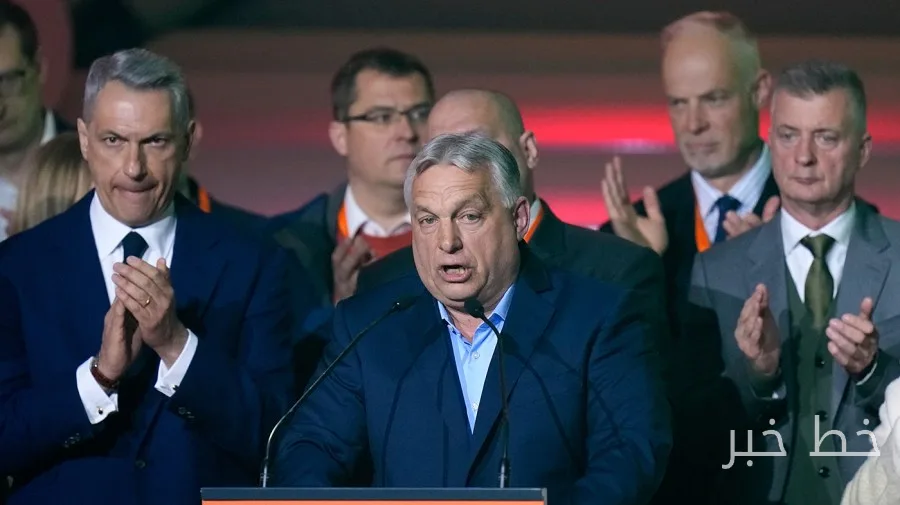
World leaders reacted to the possibility of Viktor Orbán (Viktor Orbán), the former Prime Minister of Hungary and ally of Donald Trump, the former President of the United States, being nominated for UN Secretary-General. This issue particularly caught the attention of the Prime Minister of Poland, Donald Tusk, who described the possibility as 'laughable.' Tusk said in this regard: 'Some time ago, he was a candidate for the presidency of the European Commission.'
Background of Orbán's Candidacy
Viktor Orbán is known as one of the controversial figures in European politics. He has been criticized for his nationalist policies and hardline positions on immigration and human rights. In recent years, he has become one of Trump’s closest supporters, and the two have collaborated closely on various political and economic issues.
Read more: Widespread Destruction Caused by Deadly Storms in Britain
Global Reactions to the Likelihood of Candidacy
The reactions of world leaders to this possibility reflect deep concerns about Orbán being chosen as UN Secretary-General. Many analysts believe that such an appointment could lead to major changes in global policies. Orbán has faced significant criticism from Western countries due to his positions on human rights and democracy.
Moreover, this candidacy could harm international relations and the interactions of the UN. Many UN member states are concerned that Orbán's selection as Secretary-General could shift global policies towards nationalism and undermine international commitments.
In this context, there are many challenges facing the international community and especially the UN. Choosing Orbán as Secretary-General could mean a change in the UN's priorities and the ways of managing global problems. This issue becomes particularly significant in the current circumstances where the world is facing serious challenges such as climate change, humanitarian crises, and geopolitical tensions.
Read more: Macron Announced Strong Measures to Address Protests in France · Trump Administration Asked the Supreme Court to Resume Border Wall Construction in Big Bend, Texas