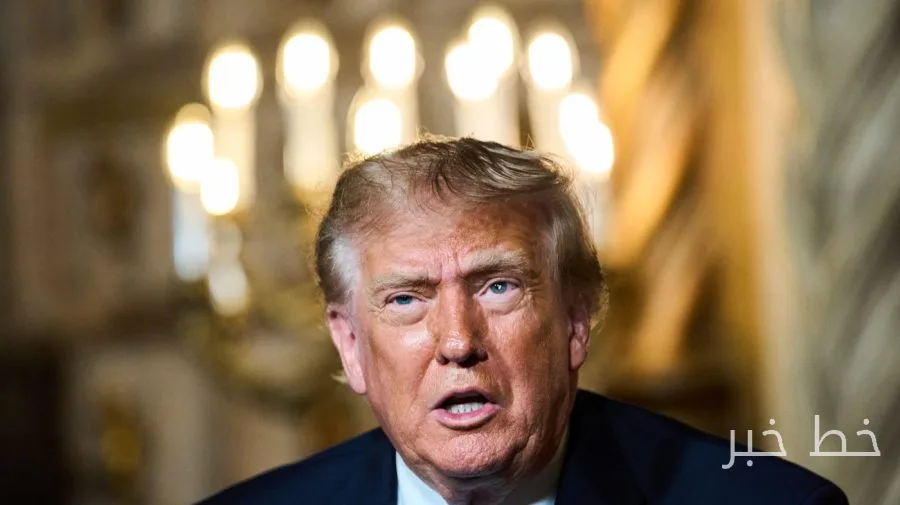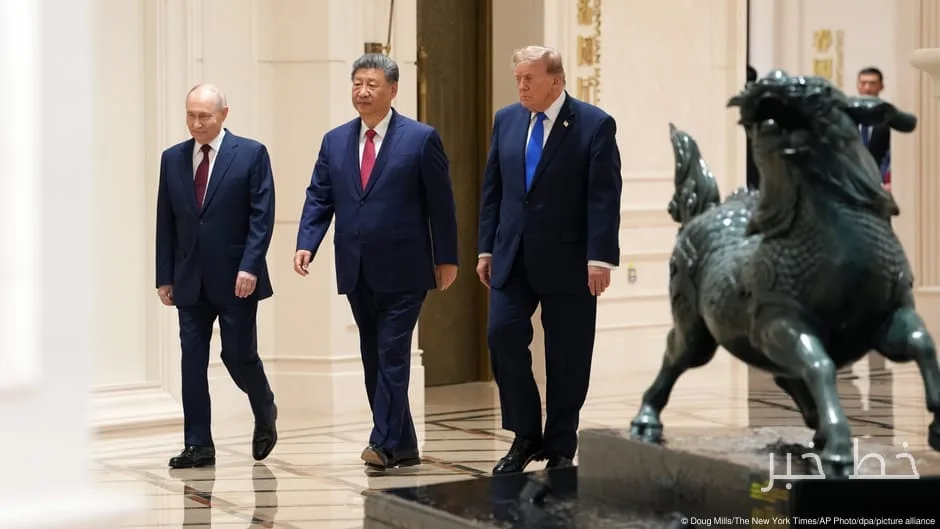
Xi Jinping, the President of China, hosted Donald Trump, the President of the United States, and Vladimir Putin, the President of Russia, on Thursday in an unprecedented trilateral summit in Shenzhen. This meeting, held amid high geopolitical tensions, brought together the leaders of the three top military powers in the world.
Topics Discussed
Xi Jinping described the talks as a "major development" and stated that the discussions covered topics including global governance, nuclear non-proliferation, the war in Ukraine, and energy security. Following the summit, a statement was released that did not mention the topic of Russia's war in Ukraine or the U.S.-led war in Iran.
The three leaders agreed to address the reform of the United Nations, limit the role of the International Criminal Court, and reaffirm their commitment to preventing nuclear war. They also promised to enhance the supply of refined oil products to tackle global energy challenges.
Concerns and Implications
This summit raised concerns that Beijing, Washington, and Moscow may seek to shape the international order around conflicting spheres of influence. Xi Jinping described the talks as "positive, constructive, and fruitful," while Trump called it "historic."
Putin took advantage of these meetings and his separate encounters with both leaders to showcase his equality with the leaders of the U.S. and China. This meeting allowed him to appear as a significant global player on the international stage, despite Western efforts to isolate him following the invasion of Ukraine.
Initially, China was hesitant to hold this summit as it did not want to be explicitly linked to the war in Ukraine and undermine its efforts to present itself as a force for global stability. However, in the end, China achieved the "outcome it wanted" and kept the focus of the summit away from European conflicts.
In conclusion, the statement released only referred to "dialogue" on nuclear weapons and avoided any explicit commitment to reduce nuclear arsenals.