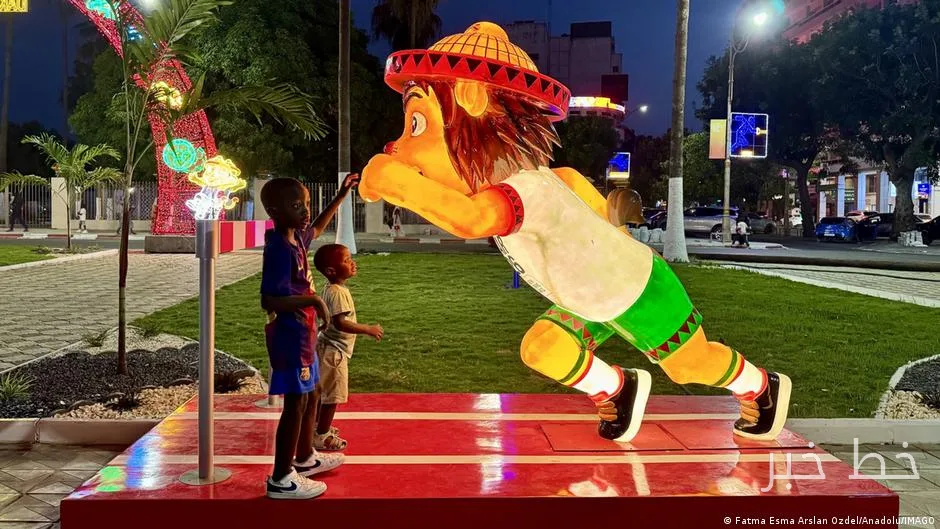
The Youth Olympics 2026 began on the last day of October and is the first Youth Olympics held on the African continent in Senegal. Approximately 2,700 athletes aged 15 to 17 have come to the country to compete in 153 sports events. This event will take place in eight different venues across three regions: Dakar, Diamniadio, and Saly, which is 80 kilometers from the capital.
Hopes and Challenges
This competition is seen as a precursor to hosting a full Olympics in the future in Africa. Aisha Diop, a 15-year-old judoka from Senegal, expressed her excitement, saying: "I am very excited because I am representing my country for the first time. This event will truly encourage African youth to continue in sports."
Gender Equality and Sports Innovations
Olivia Nlouga, the brand promotion officer at the organizing committee, announced that among the 2,700 participating athletes, the number of men and women is equally divided. This gender equality is reflected not only in the overall statistics but in every event and sport where possible.
Some sports like five-a-side baseball, kung fu, and beach wrestling, which are specific to Senegal, will be showcased for the first time at the Youth Olympics. Additionally, for the first time, a team of refugees will also participate in these competitions.
Nlouga also highlighted the cultural significance of this event, stating: "We have focused on creating an idea that this competition in Senegal is a celebration for the people. This event includes cultural displays and projects to strengthen local identity."
Other programs include music and mascot design by a local student. The main focus is on creating sustainability for Senegalese youth.
Despite concerns about infrastructure due to recent flooding, Nlouga emphasized that the risk of flooding had been considered in the planning. The Prime Minister of Senegal held an inter-agency meeting and formed a team to ensure the safety of the competition venues and accommodations.
With the return of Formula One to Africa and the increase of global sporting events on the continent, many residents of Senegal point to high living costs and unemployment, viewing this competition as an unnecessary expense. However, Senegalese officials hope that these events will be a long-term investment for the youth and the country's infrastructure.
Human Rights Challenges and Criticism
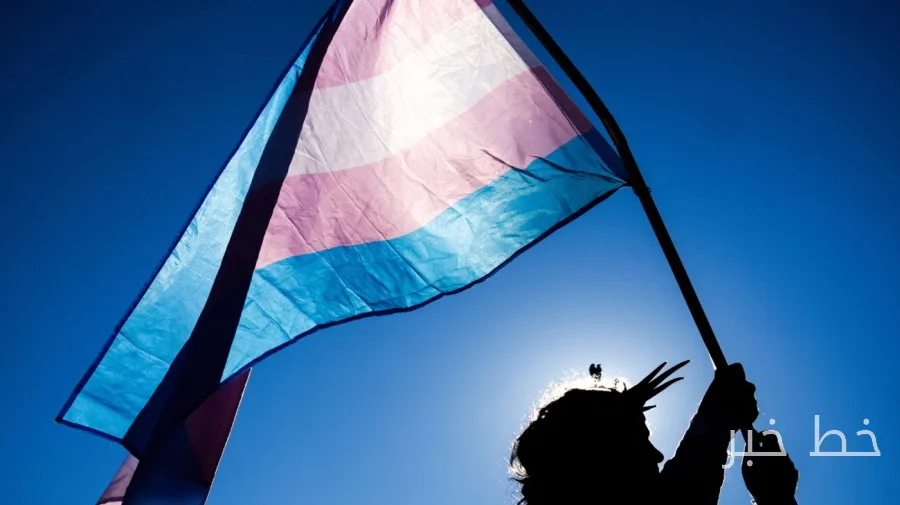
Human rights organizations have also criticized the holding of these competitions in Senegal, calling for a change in the stance of Senegalese officials towards the LGBTQ+ community. Larissa Kojo from this organization stated: "You welcome the whole world; you should not say that only this group is not accepted."
Earlier this year, the President of Senegal, Macky Sall, passed a law regarding same-sex relationships that faced significant backlash. This law could be a barrier for individuals seeking help in matters such as HIV/AIDS.
In conclusion, Nlouga expressed hope that these competitions would be beneficial for all participants and contribute to the strong sports culture of Senegal. She said: "What makes the Youth Olympics in Dakar special is that it connects to a deep culture in Senegal."