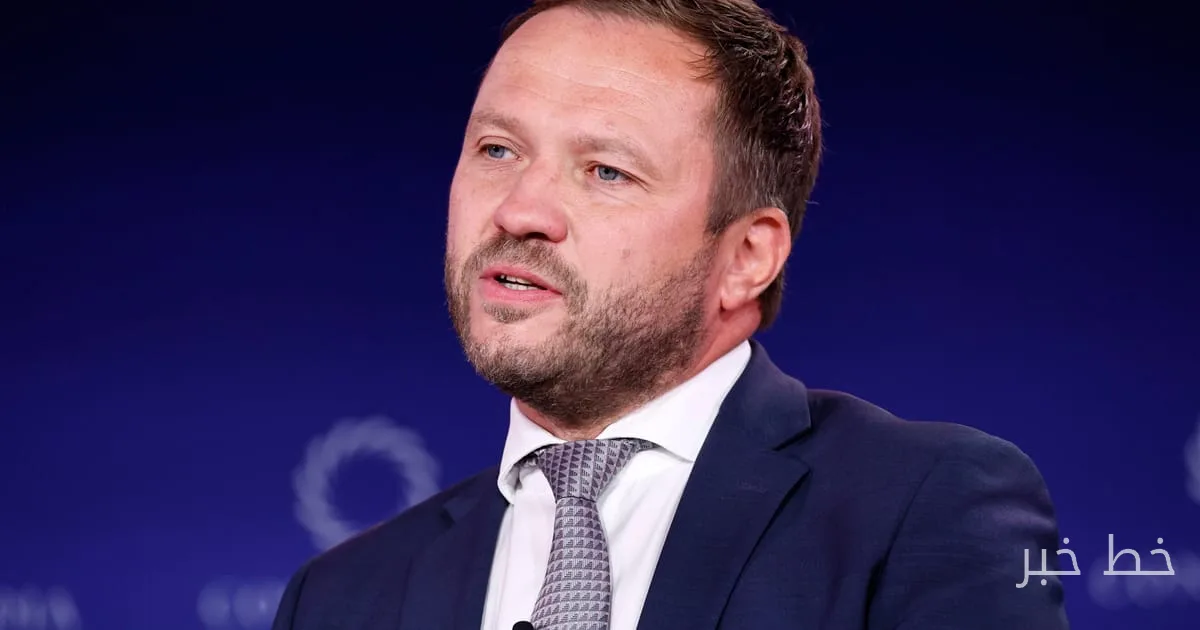
Margus Tsahkna, the Estonian Foreign Minister, announced that European leaders should stop using the term "hybrid attacks" to describe Russian assaults and instead label them as "terrorist attacks" and "subversive attacks." In an interview, he interpreted these actions as a form of warfare, referring to Russia's systematic efforts against Europe.
Details of the Recent Attack in Estonia
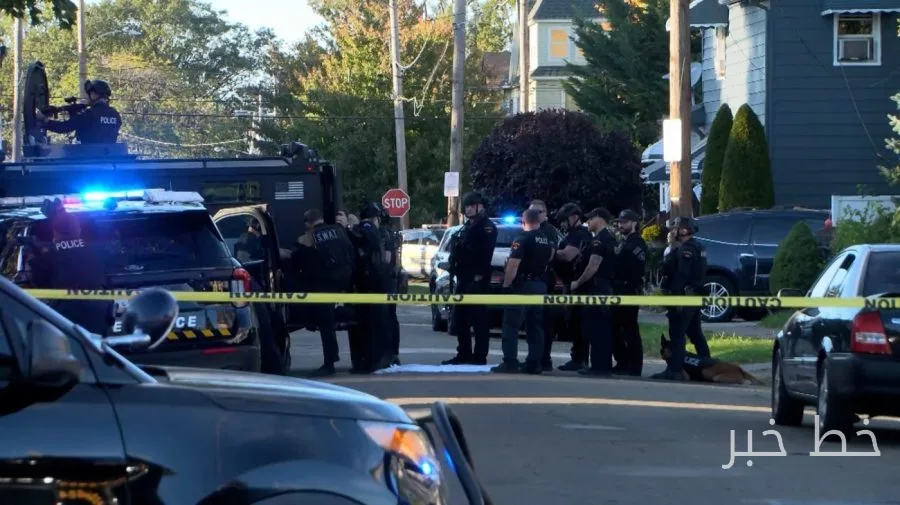
Tsahkna made these remarks following the announcement on Tuesday that Russian special services were behind the August arson attack on a building belonging to Milrem Robotics in Tallinn. This company supplies unmanned ground vehicles to Ukraine. Three Latvian citizens suspected of the arson have been extradited to Estonia and will face legal action.
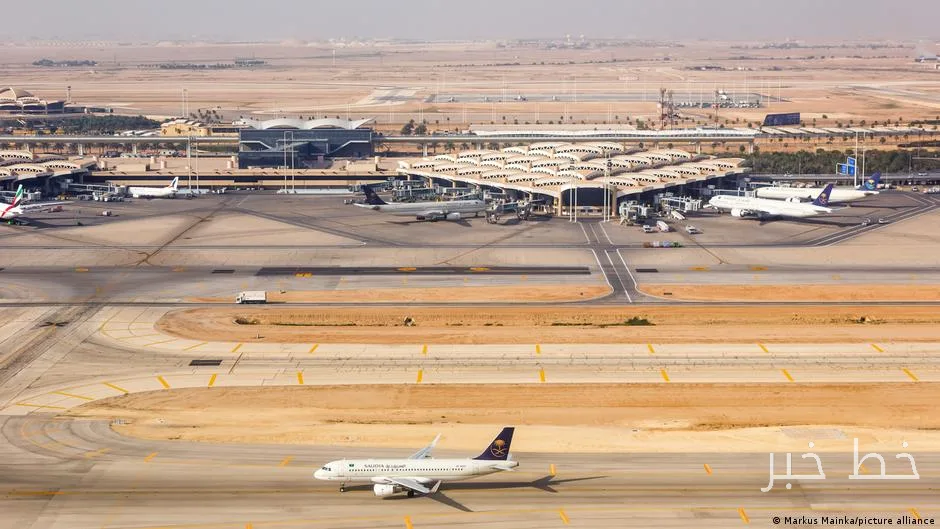
The attack on Milrem Robotics is part of a series of similar incidents, including drone attacks at Leipzig-Halle Airport, which German officials have also attributed to Russia.
The Need for Better Coordination in Europe
Tsahkna stated that many individuals involved in drone attacks and arson are motivated by the pursuit of easy money rather than ideology. He emphasized that European countries must clearly declare that such saboteurs will be severely punished to prevent future incidents.
He warned: "The message is that if you collaborate with Russian special services, you will get caught and go to prison. Think several times before participating in such operations." Tsahkna also called for the collection and sharing of evidence among European governments so they can publicly attribute attacks to Russia and coordinate their intelligence and security services more closely.
He continued: "The Kremlin aims to divide our societies, weaken our unity, and play with fear." Tsahkna warned that if Vladimir Putin, the President of Russia, feels that the European Union is not responding collectively, more serious attacks that endanger more European lives are likely to occur.
The European Union is preparing a new security strategy expected to be released by the end of this year. Tsahkna stated that this strategy should help improve information sharing, invest in security services, and enable rapid responses to unconventional warfare.
He also pointed out that currently, "Russia is not capable of launching any full-scale military invasion or attack on NATO," but this does not mean such attacks are impossible in the future. He said: "Let’s use this time for preparation." Tsahkna emphasized the need to coordinate intelligence and secret police services and that Putin should be taken very seriously as he is a terrorist.
The Estonian Foreign Minister also stressed the importance of clear communication from governments to the public so that people know what to do in case of an emergency and to prevent panic.